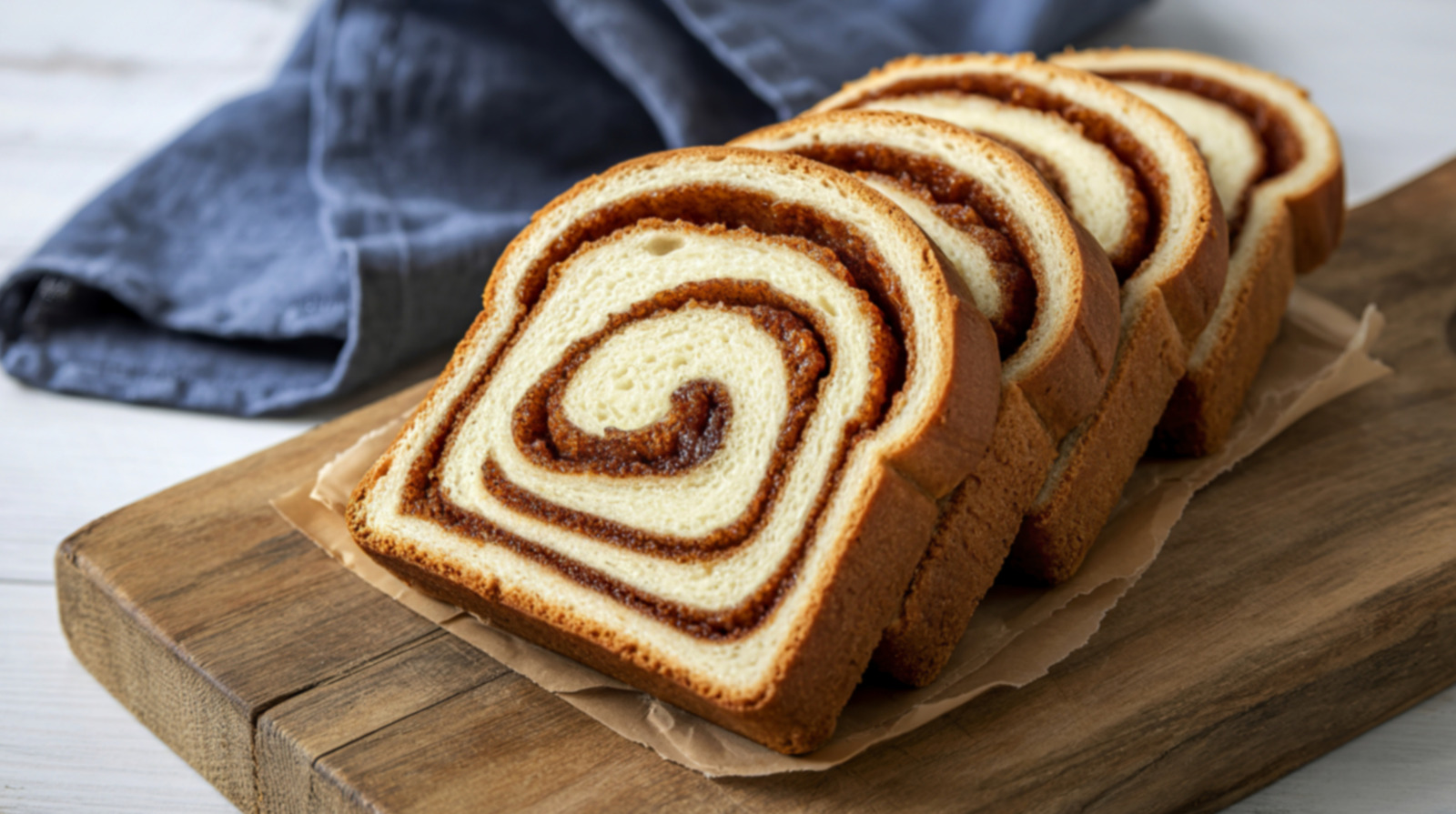
"Cianfanelli explained why this can happen. "Some causes of this might be the filling layer is too thick or greasy," she says, "the dough is rolled too tightly [and] forcing air to stay trapped inside; dough is under-proofed and expands too quickly in the oven, pushing the spiral apart; or there is an excess of flour on the dough preventing the layers to stick together.""
"Beyond properly proofing and rolling your dough (and not caking it in flour), Cianfanelli told us to "Lightly brush the rolled-out dough with a binding element before adding the cinnamon filling. A thin layer of egg wash or a small amount of milk works great for this as it gently sticks the layers together." This egg hack transforms cinnamon raisin bread by using the ingredient's plentiful proteins to fuse the layers."
"A binder can work wonders for your cinnamon swirl bread, but too much moisture in the filling will still lead to gaps. As the combo of butter, cinnamon, and sugar heats in the oven, it melts and turns slippery, separating the layers. To prevent the interior of the bread from resembling a Slip 'N Slide, Cianfanelli uses an ingredient that doesn't add a distracting taste."
Air pockets in cinnamon swirl bread form when yeast gas, steam, or poor adhesion separate the dough and filling. Common causes include an overly thick or greasy filling, dough rolled too tightly trapping air, under-proofing that leads to rapid oven expansion, and excess flour preventing layers from sticking. Brushing the rolled dough lightly with an egg wash or a small amount of milk helps bind layers using proteins. Avoid over-moist fillings because butter, cinnamon, and sugar melt and become slippery, which can separate layers. Proper proofing, careful rolling, and minimal flour on the dough improve spiral integrity.
Read at Tasting Table
Unable to calculate read time
Collection
[
|
...
]