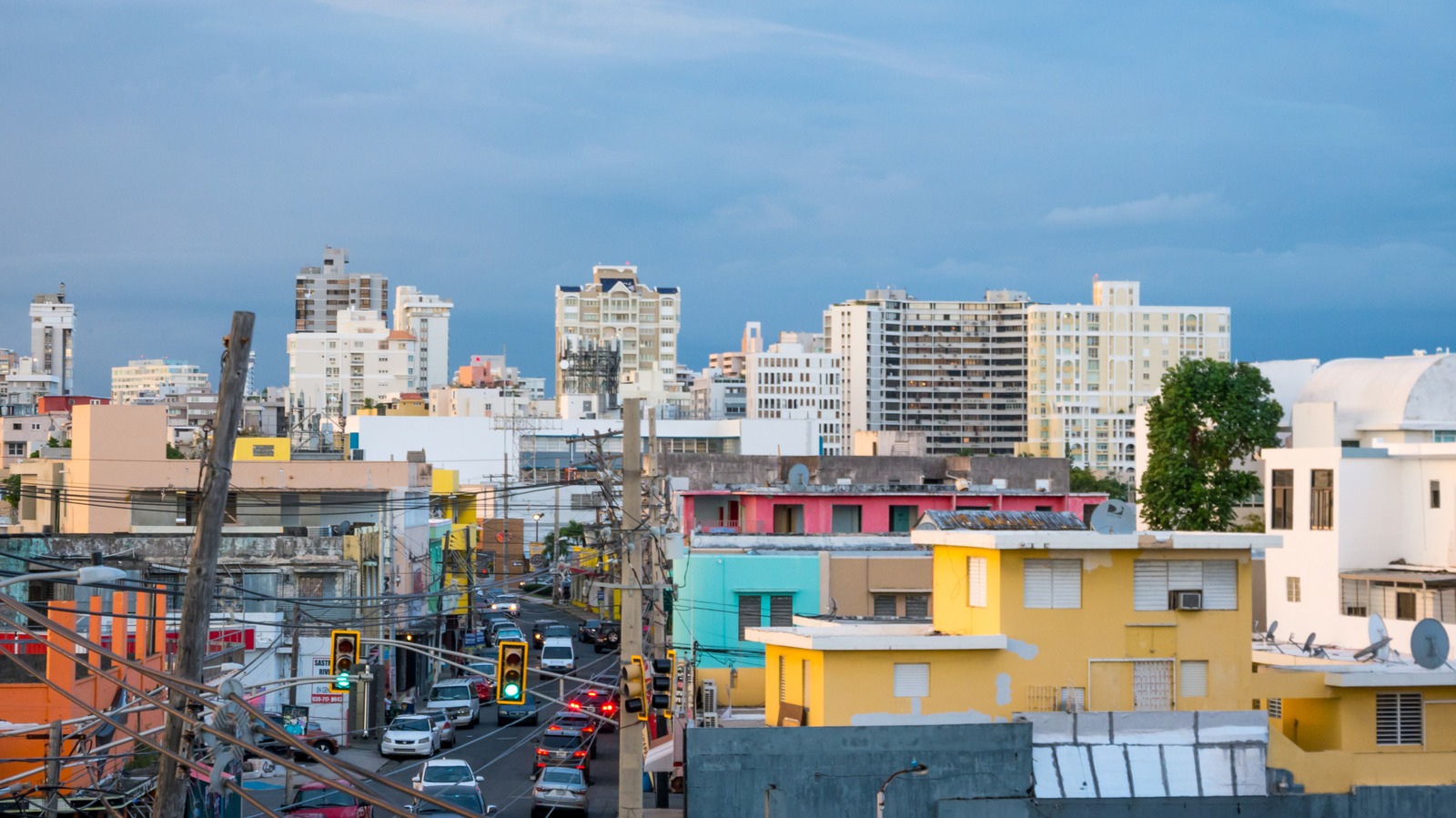
"When your plane descends into Puerto Rico's Luis Muñoz Marín International Airport in San Juan, it will likely fly low over the colorful buildings of Santurce, a sprawling district famous for its creative residents and Afro-Caribbean influences. Neglected for decades, Santurce is rapidly reclaiming its title as one of San Juan's most exciting quarters - a transformation that has earned it the nickname "The Brooklyn of Puerto Rico." And if you're looking for Afro-Caribbean cuisine, you're coming to the right place."
"Although the area isn't well known outside of the island, Santurce is one of San Juan's largest districts, home toaround 70,000 residents. This district comprises 40 smaller neighborhoods, including beachfront Condado and upscale Miramar. The many artists who live here may remind visitors of Brooklyn, but there are other similarities as well: Santurce is big and diverse, located just southeast of Old San Juan, much the way Brooklyn relates to Manhattan."
"This area is well known for its queer communities, a major reason Puerto Rico is considered one of the 15 most welcoming LGBTQ-friendly islands. Meanwhile, famous local eateries specialize in fruits, seafood, and sofrito sauces that shape Afro-Caribbean cuisine. Patrons have praised the mofongo - mashed plantain dish - at La Casita Blanca, and La Alcapurria Quemá serves up the eponymous meat-stuffed fritters, which are rooted in African and Indigenous traditions."
When planes descend into Luis Muñoz Marín International Airport, they often fly low over Santurce's colorful buildings. Santurce is a sprawling San Juan district of about 70,000 residents composed of 40 neighborhoods, including Condado and Miramar. The district is known for a large community of artists, diverse populations, and visible queer communities. Santurce has been neglected for decades but is undergoing rapid revitalization, earning the nickname 'The Brooklyn of Puerto Rico.' Local cuisine emphasizes Afro-Caribbean flavors, with dishes like mofongo, alcapurrias, and mangú reflecting African and Indigenous roots. Diverse Creole eateries showcase fruits, seafood, and sofrito sauces.
Read at Islands
Unable to calculate read time
Collection
[
|
...
]