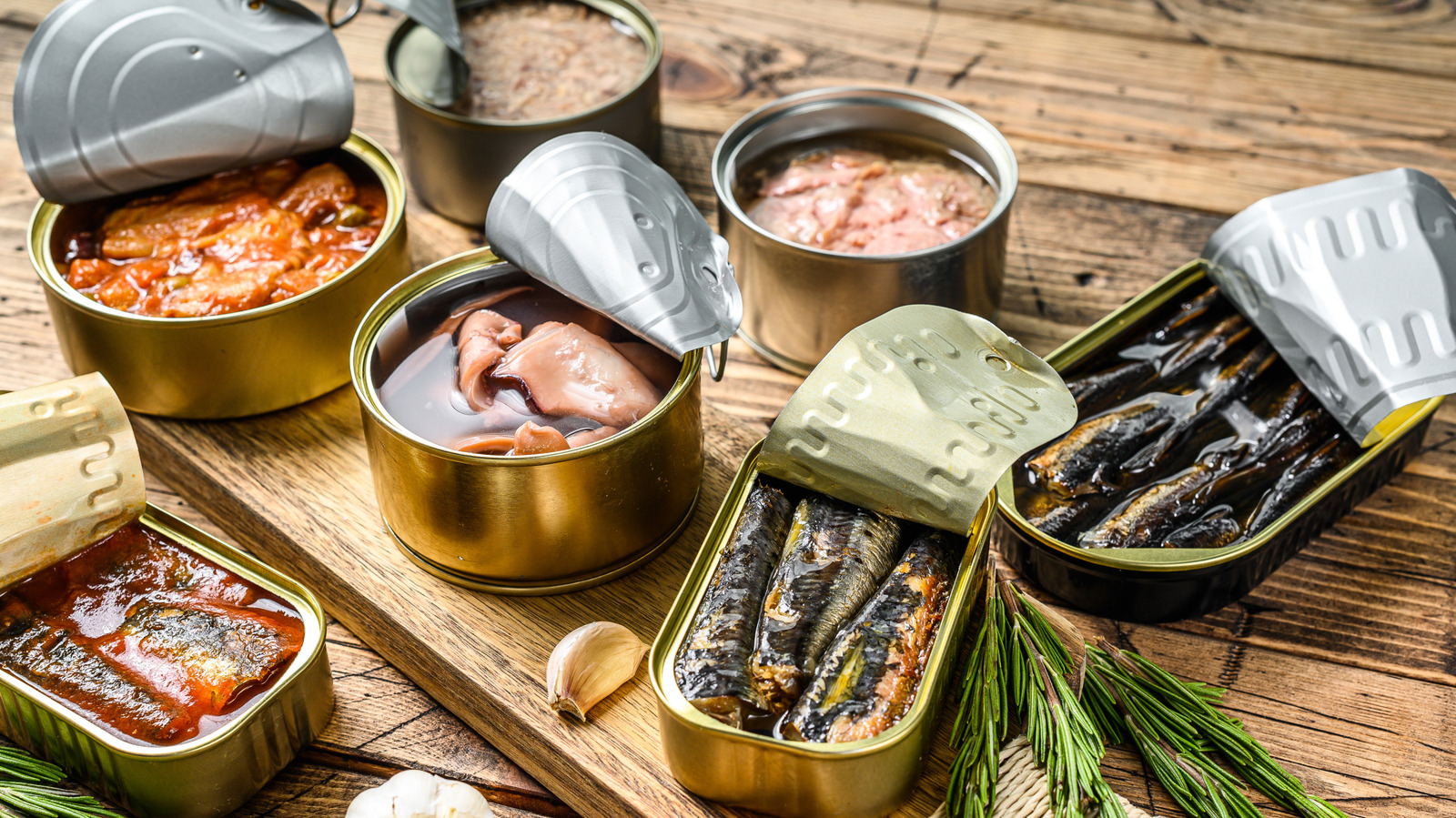
"All fish bones contain calcium, but it's thanks to the canning process that they become soft enough to eat safely. Fish is heated in the tin to temperatures over 240 degrees Fahrenheit, which breaks down the collagen and renders the bones chalky rather than spiny. This subtle crunch adds textural contrast to the soft flesh of the fish and a more satisfying mouthfeel."
"Tinned fish with bones already makes a great source of vital nutrients, vitamins, and minerals, but pairing it with the right foods can make a difference in what you get out of it. Vitamin D can help with the absorption of calcium, while vitamin K can help ensure that the calcium is directed to the right places in the body. Likewise, vitamin D, which is already present in fish bones, requires fats in order to be fully absorbed from the food."
Canned fish bones become safe to eat because the high heat of canning breaks down collagen and softens bones into a chalky texture. Bones in sardines, mackerel, and salmon supply calcium, phosphorus, and vitamin D, supporting bone health, muscle function, and blood clotting. The softened bones add subtle crunch and textural contrast to the fish flesh. People with chronic kidney disease should avoid consuming fish bones due to phosphorus concerns. Pairing tinned fish with vitamin K–rich greens and dietary fats improves calcium utilization and vitamin D absorption. Choose boneless tins if bone texture is undesirable.
Read at Tasting Table
Unable to calculate read time
Collection
[
|
...
]