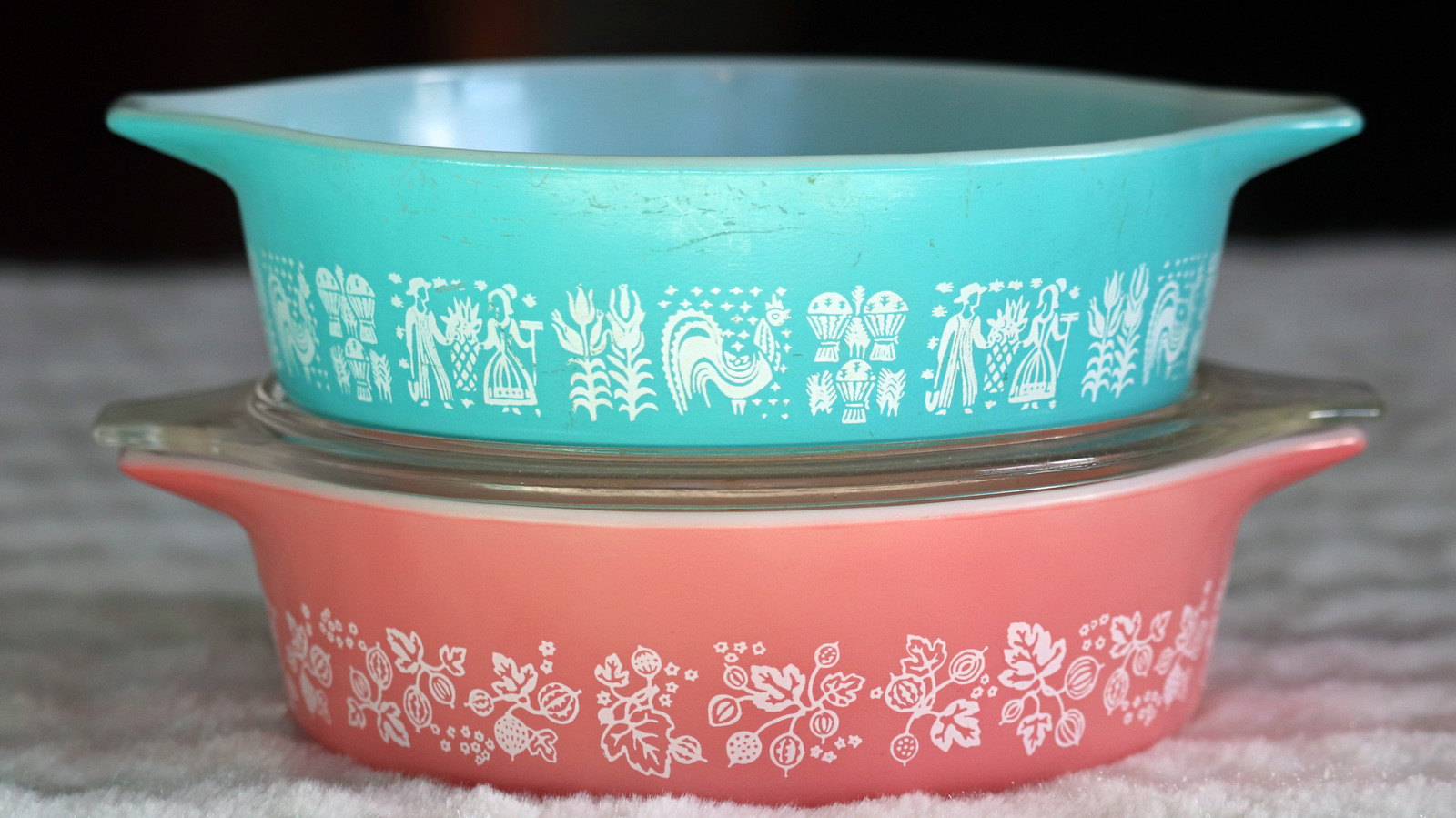
Corning Glass Works began in 1851 and produced quality kitchenware before CorningWare appeared. In 1952, an oven accident during photosensitive glass work heated the material to 900 degrees instead of 600, causing heat-induced crystallization. The glass turned opaque white and became drop-resistant, leading to the glass-ceramic material Pyroceram. Pyroceram debuted in 1959 and quickly became popular because dishes could move from oven to table to refrigerator in one piece. By the 1960s, CorningWare sets were common in American kitchens and later became collectible as new limited-edition motifs were released. Patterns included cornflower, Atomic Starburst, Blue Heather, Nature’s Bounty, and Country Festival, with additional rarer designs.
"Dr. S. Donald Stookey was working on photosensitive glass in the Corning Lab when he inadvertently heated the oven to 900 degrees instead of 600. As a result of heat-induced crystallization, the glass turned opaque white and didn't break when it was dropped. This durable, versatile new glass-ceramic material, Pyroceram, was an overnight sensation when it debuted in 1959, making CorningWare a staple and a household name."
"By the 1960s, sets of CorningWare were in the cabinets of nearly every kitchen in America and were quickly becoming collectible. The company was releasing new motifs as limited editions and the kitchenware collections included casserole dishes, cake pans, pie plates, mixing bowls, Dutch ovens, muffin tins, teapots, percolators, sauce and frying pans, and more."
"CorningWare's first design was a simple yet charming blue cornflower motif, which it used through the late 1980s. Some of the company's most popular patterns include the Atomic Starburst (associated with space travel), Blue Heather (flowers with vines and leaves), Nature's Bounty (vegetables), and Country Festival (birds in profile), but there are over a dozen more. Some of CorningWare's patterns are rarer"
Read at Tasting Table
Unable to calculate read time
Collection
[
|
...
]