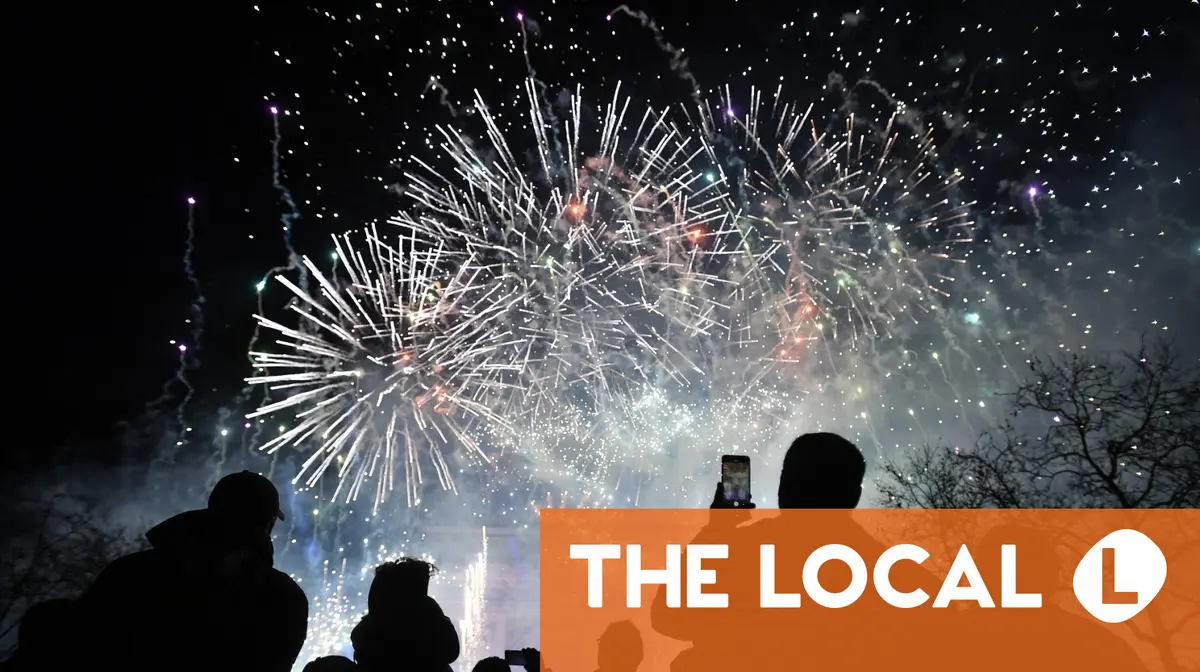
"New Year's Eve itself is often referred to as Le réveillon de la Saint-Sylevstre - the eve of Saint Sylvester's Day (which is on January 1st) - or simply ' Le Saint-Sylvestre'. Don't worry, you won't need to know anything about the life of the obscure 4th century saint himself - although if you want to, here's a brief explanation."
"Many restaurants have special events with a gourmet menu, while bars and clubs put on special events (which usually have to be booked in advance). Fireworks Some of the big cities put on a fireworks display, while some small towns have their own displays of feu d'artifice, paid for from the annual municipal budget, although it seems that fewer towns are offering fireworks this year."
Le nouvel an and Les fêtes de fin d'année denote the New Year and the Christmas–New Year period. New Year's Eve is commonly called Le réveillon de la Saint-Sylevstre or Le Saint-Sylvestre. Bonne année is the usual greeting exchanged at midnight or during early January visits. Celebrations lean toward parties, formal dinners, drinks or house gatherings, with age and demographic influencing the format. Restaurants, bars and clubs host special, often prebooked events and concerts. Cities and towns may stage fireworks displays, and festive menus emphasize luxury produce like beef, lobster and oysters.
Read at The Local France
Unable to calculate read time
Collection
[
|
...
]