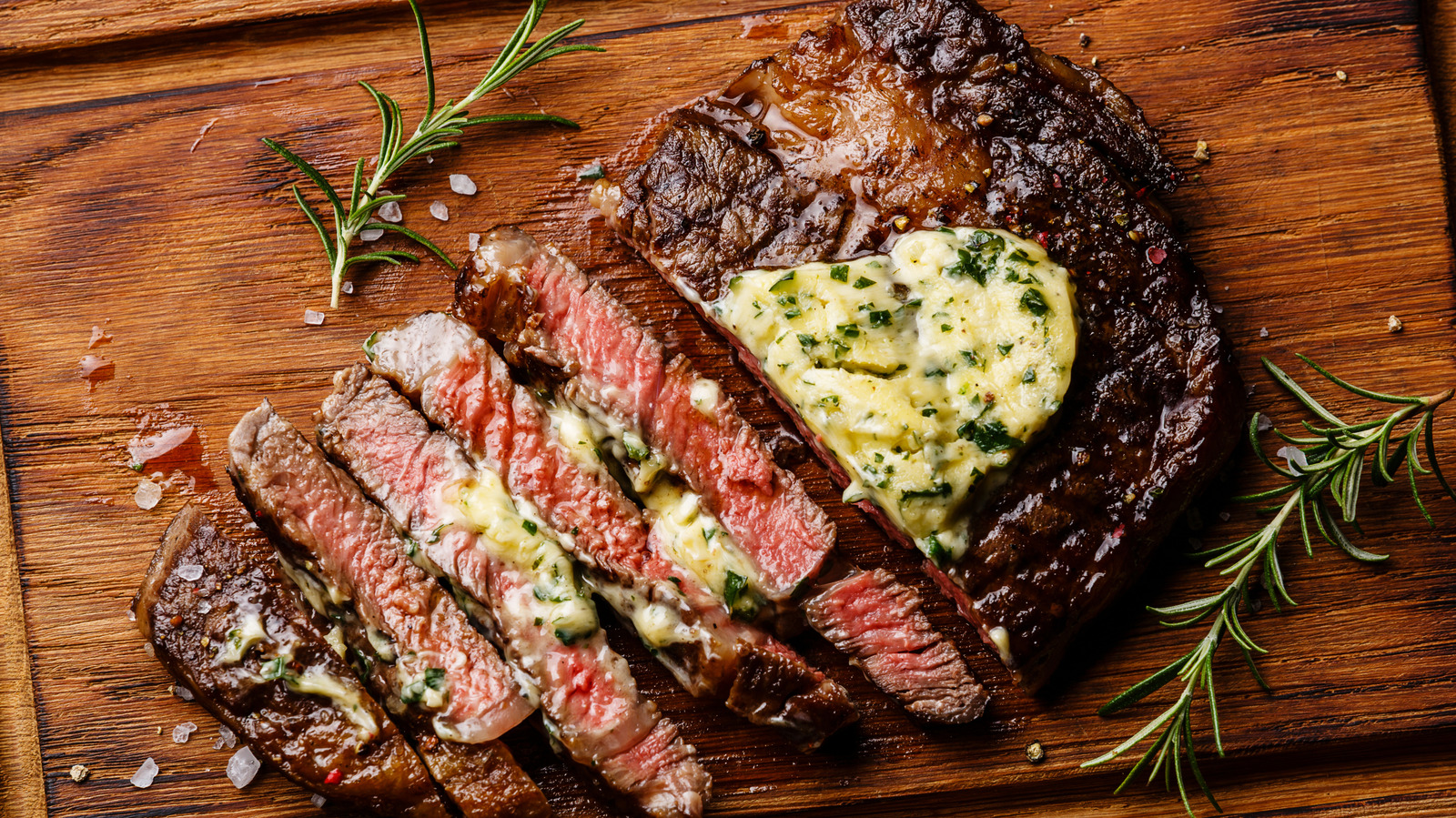
"When you think of the modern American steakhouse, you most likely picture low-lit rooms with dark wooden panels and porterhouse steaks the size of your head. It's an identity that's so distinct it feels like it's been that way forever - and in some ways it has. Because as the combined descendant of working-class chophouses and fancy beefsteak banquets, steakhouses brought together elements from both traditions to create a new kind of restaurant that remains popular to this day."
"The story of the modern steakhouse starts in England around the late 17th century, when men would go to chophouses for a quick meal of roasted and grilled meats (a.k.a. chops) after work. These establishments then made their way to the United States in the early 19th century, feeding working-class men in New York City and eventually the American West. Out there, chophouses would become popular meeting places, where ranchers, cowboys, settlers, and miners would eat and conduct business."
Modern American steakhouses trace roots to late 17th-century English chophouses where men ate roasted and grilled meats after work. Chophouses reached the United States in the early 19th century, serving working-class men in New York City and the American West and functioning as meeting places for ranchers, cowboys, settlers, and miners. Nineteenth-century beefsteak banquets began as small working-class tavern gatherings to sing, drink, tell stories, and eat steaks by hand, then evolved into upscale social and political fundraisers by the mid-1800s. After women gained suffrage and began attending, beefsteak banquets became more polite, adding utensils, tablecloths, orchestras, cocktails, fruit, and salads. The first modern steakhouse opened in New York City in 1837.
Read at Tasting Table
Unable to calculate read time
Collection
[
|
...
]