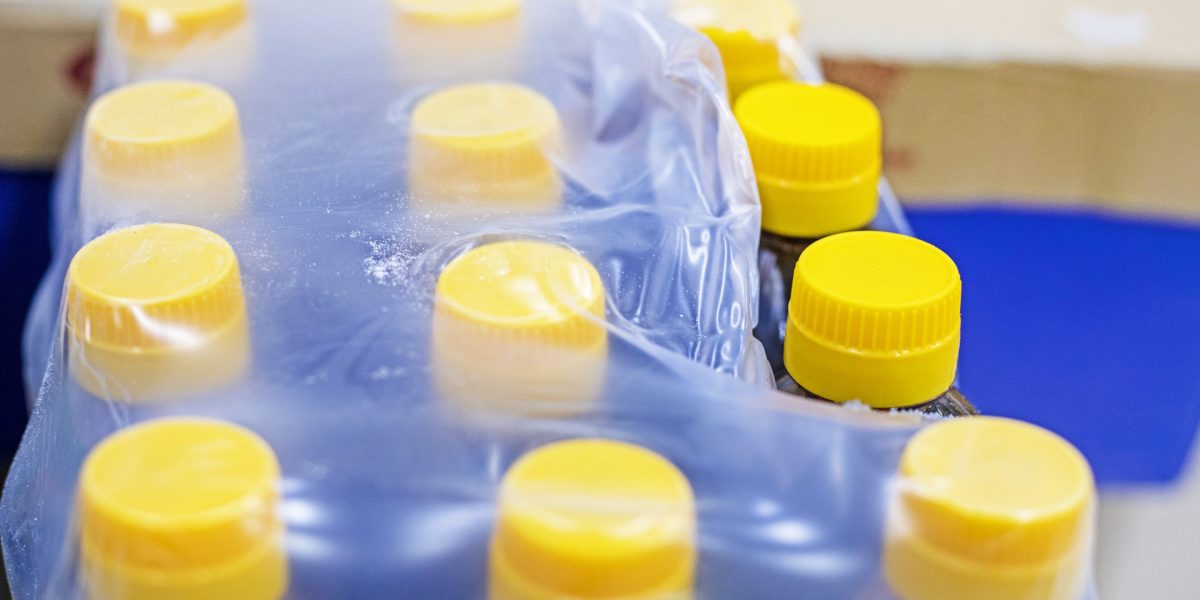
"This up-and-coming brand, Feel Free, was marketing itself as something slightly different. As it declared in a white, scrolling font over the deep blue of its own two-ounce bottle, Feel Free was a "plant-based herbal supplement," a proprietary blend of extracts from the botanicals kratom and kava, boasting properties that could amplify focus and boost mood. For many users, however, the beverage didn't have the advertised effect."
"Drew Barrett, of Champaign, Ill., says he was enticed by Feel Free's serene packaging and its offer of relaxation and enhanced energy. But he soon found that after the immediate euphoria from the shot, he would be hit with a cycle of unpleasant symptoms, including a runny nose and achy body. Still, the euphoria was real, and in a matter of months, Barrett says, he became addicted to the supplement."
For two decades, 5-hour Energy dominated convenience-store energy shots until Feel Free briefly overtook a major chain's top product. Feel Free marketed itself as a "plant-based herbal supplement" containing kratom and kava, claiming to boost focus and mood. Many users experienced immediate euphoria followed by unpleasant symptoms such as runny nose and body aches. Some users developed severe dependence from repeated dosing far above recommendations. One user consumed 10–12 two-ounce bottles daily, spent about $2,000 monthly, lost weight, suffered visible health decline, closed his business, and entered in-patient treatment. Consumer complaints and viral online content documented similar harms.
Read at Fortune
Unable to calculate read time
Collection
[
|
...
]