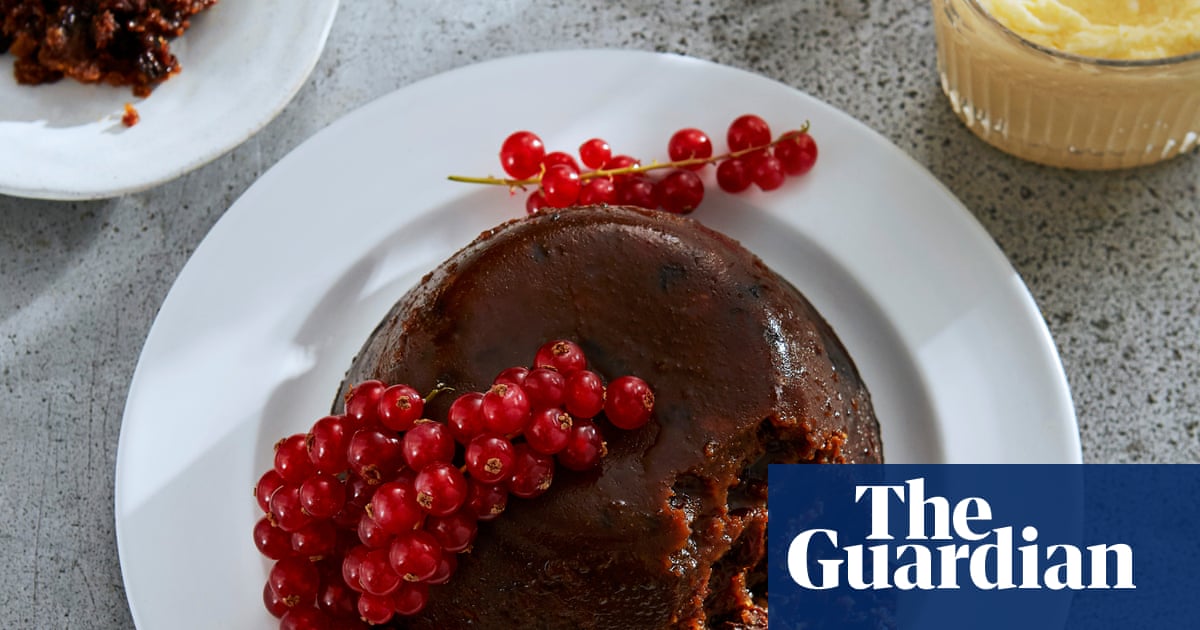
"A guest at our restaurant recently told me about her mother's seasonal side hustle, though no one would have dared call it that out loud: in the weeks before Christmas, she became a quiet merchant of puddings. The proper kind of pudding, too: all dense but not leaden, heavy with prunes and warm with careful spicing. As December crept in, forgotten cousins and semi-estranged uncles seemed to find reasons to drop by her place."
"The exchanges were subtle. One neighbour would pop by for coffee and just happen to bring two dozen mince pies; a friend would promise to collect the Christmas turkey from the butcher and bring it round, saving this lady the schlep across town. Nothing was said, no ledger kept, but the pudding always travelled in the right direction."
"I love this kind of seasonal bartering, not least because these edible interactions manage to bypass the digital world entirely. In an age where every conversation seems to take place on a screen and every relationship is fodder for some Silicon Valley metric, these small, delicious acts feel almost rebellious. We know we can count on the huge annual box of savoury nibbles from our nut suppliers, the one that keeps us and our guests going long after the last table has staggered home."
A mother becomes a quiet merchant of dense, spiced puddings in the weeks before Christmas, exchanging them through small favors. The exchanges run on reciprocity and subtle social cues: neighbours bring mince pies or collect turkeys, and no records are kept. These edible exchanges bypass digital platforms and foster tactile, anonymous generosity. Regular seasonal gifts from suppliers and neighbours—such as boxes of savoury nibbles and wrapped Christmas cake—sustain local relationships and hospitality. Even a yearly emailed photograph of a baked creation can evoke the warmth and possibility associated with these tangible, communal rituals.
Read at www.theguardian.com
Unable to calculate read time
Collection
[
|
...
]