"In 1920, booze went underground in America. New legislation meant that manufacturing or selling alcohol was no longer permitted in the United States. So, naturally, everyone abided by the rules. They had early nights, they kept quiet, and they certainly didn't drink. That's all a lie, of course. Prohibition didn't stop people from partying or finding ways to drink alcohol; it just changed the way they did it."
"People hosted parties and flocked to speakeasies, which were underground bars and clubs that sold bootlegged booze. It's hard to say exactly how many illegal speakeasies there were across the U.S., but many reports suggest that in just New York, there may have been up to 100,000. As well as illegal drinks, these secret establishments needed to offer something to mop up some of the alcohol. They needed snacks."
"Deviled eggs have been eaten for centuries. Even long before the 1500s, ancient Romans would boil eggs and serve them with spices. But in one 1587 English cookbook, called "The Good Housewife's Jewel," there is a recipe for "farce eggs." It instructs the reader to extract the yolks from boiled eggs, combine them with butter, and then stuff them back into the white, before serving."
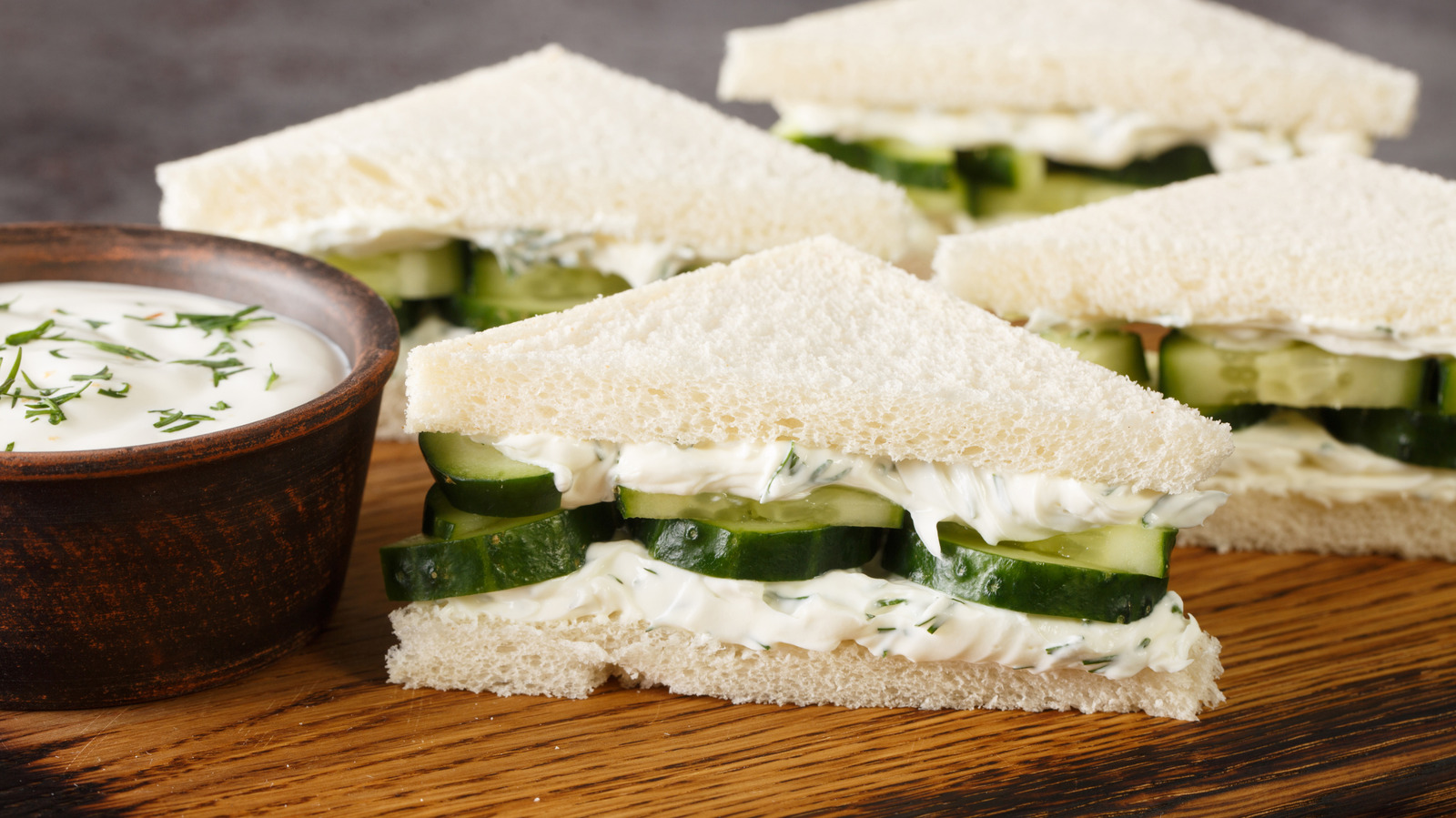
Prohibition began in 1920, outlawing the manufacture and sale of alcohol across the United States. Illegal drinking continued through parties and speakeasies, with New York possibly hosting up to 100,000 illicit establishments. Speakeasies sold bootlegged booze and served snacks to absorb alcohol and keep patrons drinking longer. Common offerings included finger sandwiches, pretzels, stuffed mushrooms, peanuts, and deviled eggs. Deviled eggs trace back centuries; a 1587 English cookbook supplied a "farce eggs" recipe that stuffed yolks mixed with butter back into whites. Fannie Farmer popularized mayonnaise-filled deviled eggs in late 19th-century America.
Read at Tasting Table
Unable to calculate read time
Collection
[
|
...
]