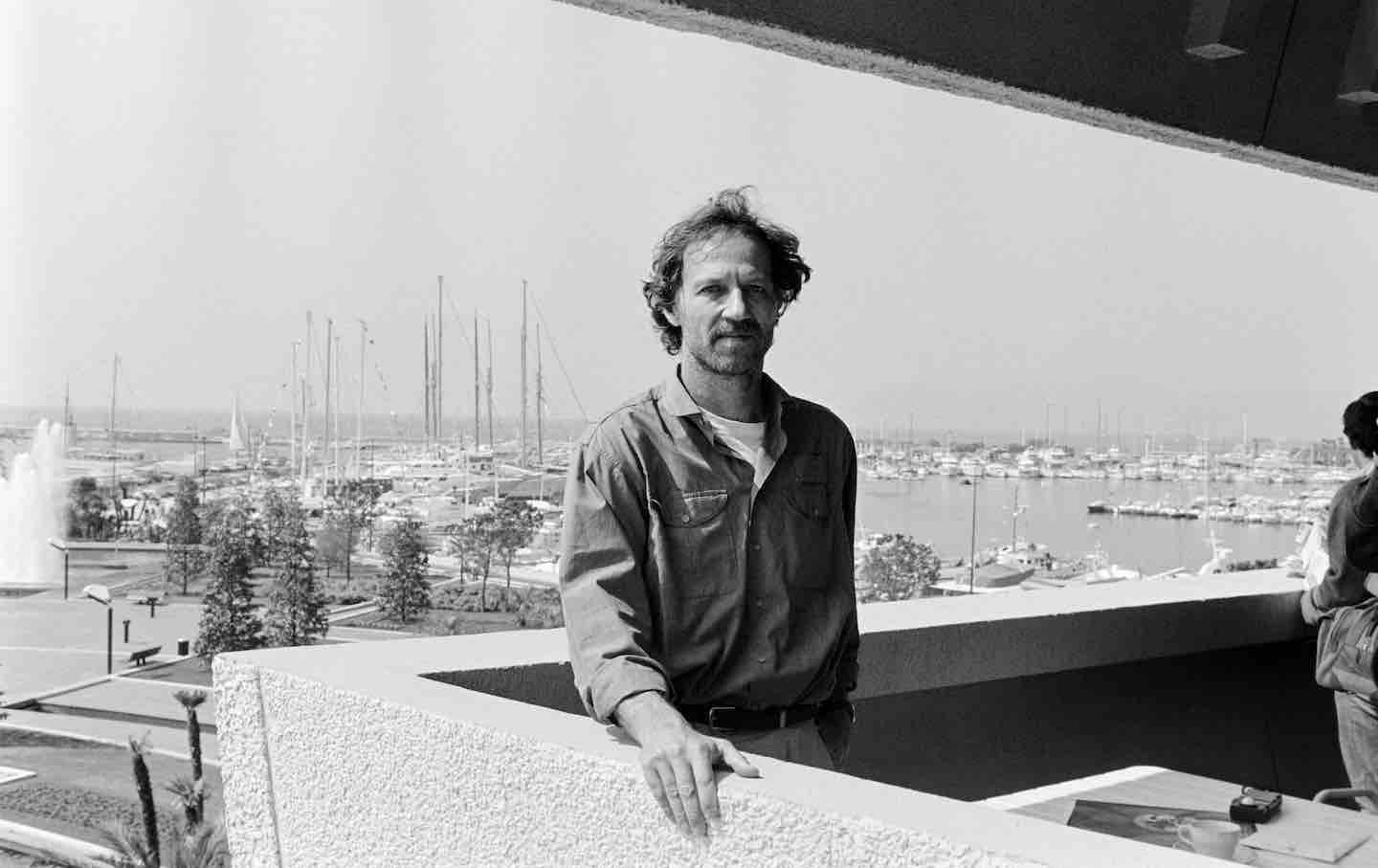
Werner Herzog's filmmaking philosophy centers on a distinctive concept of 'ecstatic truth' that transcends ordinary reality. His 1970 film The Land of Silence and Darkness exemplifies his approach, documenting deaf-blind women experiencing their first airplane flight. The footage demonstrates Herzog's signature style: daring creative risks, exploration of existential isolation, and poetic examination of human extremes. Herzog maintains that truth is central to all his films, yet deliberately incorporates fabrication, scripted scenes, and misattributed quotes into his documentaries. This paradox reflects his belief that conventional documentary realism cannot capture the deeper truths of human experience. His philosophical narration and distinctive voice have become defining elements of his artistic identity.
"The footage from that afternoon displays many of what would become the hallmarks of Herzog's style over the coming half-century: the daring gambit on the border of exploitation, the obsession with vision and existential loneliness, and the search for poetry at the extremes of human experience. It is an astonishing piece of filmmaking."
"As if to confirm this impression, Herzog, whose unmistakable voice and philosophical commentary have become the most recognizable part of both the man and his work, is silent. He doesn't even ask afterward what it was like."
"This, too, would become a characteristic of Herzog's oeuvre: the search for an elusive transcendence over the edge of the ordinary that he calls 'ecstatic truth.' Herzog is obsessed with the idea of truth and has insisted for decades that it is the central concern of all his films."
Read at The Nation
Unable to calculate read time
Collection
[
|
...
]