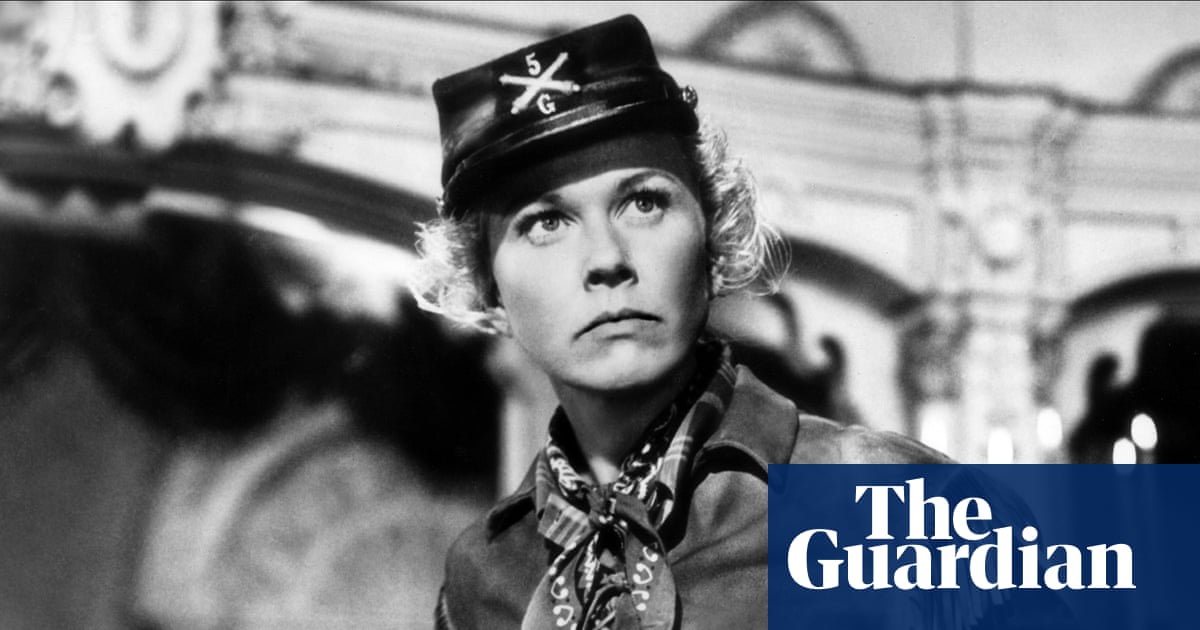
"There was a real vogue for gunslinging heroines back in mid-20th century American cinema. Gene Tierney wrangled civil war rebels in Belle Starr. Betty Hutton pranced around with a shotgun in a sparkly red cowgirl get-up, alongside a cowhide-wearing Howard Keel, in Annie Get Your Gun. But cinemagoers were thrown a curveball three years later when they got Doris Day again with baritone sidekick Keel in tow dressed, wise-cracking and swaggering exactly like a man."
"Admittedly, when I first saw Calamity Jane aged nine, I was also not immediately sold. Not because of Day's gender non-conformity, which had me hooked, but because of the bizarreness of the pseudo-biopic's synopsis and its grating musical numbers. The New York Times had a point when they deemed it shrill and preposterous. Then there was the fact that on first look it appeared to be a western. Part crooning romcom, part frontier drama, it's a strange beast of a film,"
Calamity Jane features Doris Day as a swaggering, wise-cracking frontier heroine opposite Howard Keel. The narrative is set in 1870s Deadwood and follows Calamity's promise to bring vaudevillian Adelaid Adams to the town, triggering comedic chaos. The film fuses crooning romantic-comedy moments with frontier drama and contains both annoying and infectious musical ditties. Contemporary critics found aspects shrill and preposterous. The storyline includes sexist attitudes and downplays the real Calamity Jane's colonial violence. The biographical claims are fanciful and unverifiable, framing the film as a pseudo-biopic with nostalgic appeal.
Read at www.theguardian.com
Unable to calculate read time
Collection
[
|
...
]