"Intimate and small-scale compared to " Godland," his psychological epic about a 19th-century Danish priest who travels the forbidding Icelandic landscape to build a church, Pálmason's fourth feature (which Janus Films will release in U.S. theaters Jan. 30) unearths sentiments both strange and familiar within mundane activities and interludes, toying with rich themes of time, memory, and humanity's fleeting existence within impassive natural landscapes."
"Like his previous films, Pálmason's latest was made slowly and intuitively, over a number of years, without a traditional script development process; the film's opening scene-depicting the demolition of a building, its roof being brusquely lifted off-was shot back in 2017, before he made "Godland," and the process of making the rest involved taking narrative threads that he shot separately in later years and weaving them together into a more cohesive story."
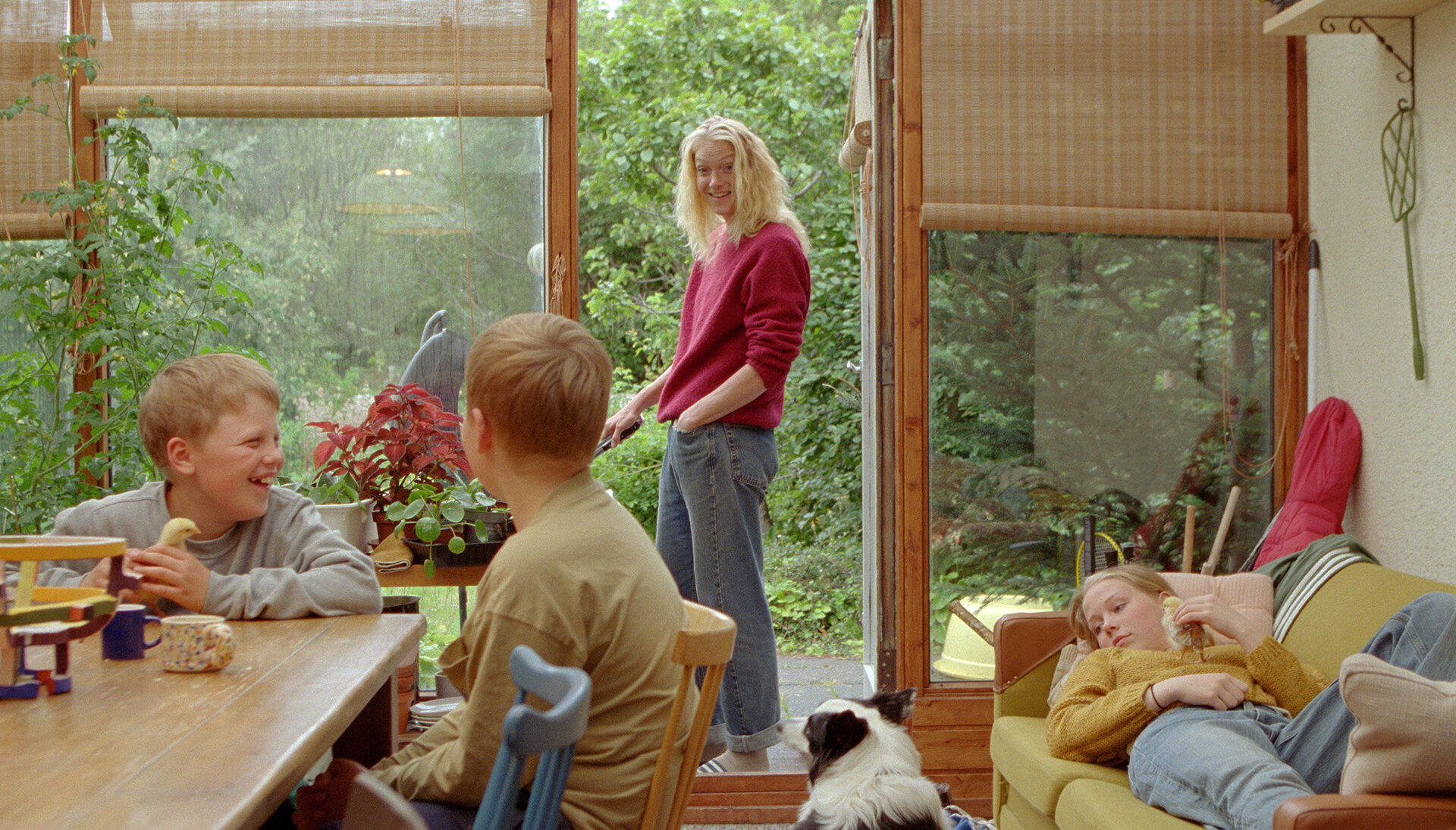
The Love That Remains follows a year in a family's life as parents separate, focusing on visual artist Anna and fisherman Magnús and their three children. Anna struggles to reclaim meaning in her creative work and family life after the split. The film uses finely observed, elegantly composed, and sometimes surreal vignettes to parallel Anna's artistic journey with familial concerns. Slow, intuitive production over several years yielded nontraditional narrative weaving, including a 2017-shot opening demolition scene. The film is intimate and small-scale compared with Godland, exploring themes of time, memory, and humanity's fleeting existence within impassive Icelandic landscapes.
Read at Roger Ebert
Unable to calculate read time
Collection
[
|
...
]