"Still cameras click, movie cameras roll, and the auditorium's seats are filled with reporters. Everyone is focused on the man at the podium, Defense Secretary Robert McNamara. The scene is a reminder that most journalists practice herd behavior. You write or broadcast what was said at the briefing, because if you don't, your editor will berate you: "Hey, the rival newspaper [or rival network] just reported that McNamara said we're winning the war. Why haven't we heard that from you?""
""When I was at the Pentagon for the AP," he tells Poitras and Obenhaus, recalling his early reporting days during the Vietnam War, "instead of going to lunch with my colleagues, I'd go find young officers. You know, talk a little football, get to know them.... Eventually, Army guys would start saying, 'Well, it's Murder, Incorporated'" over there in Vietnam."
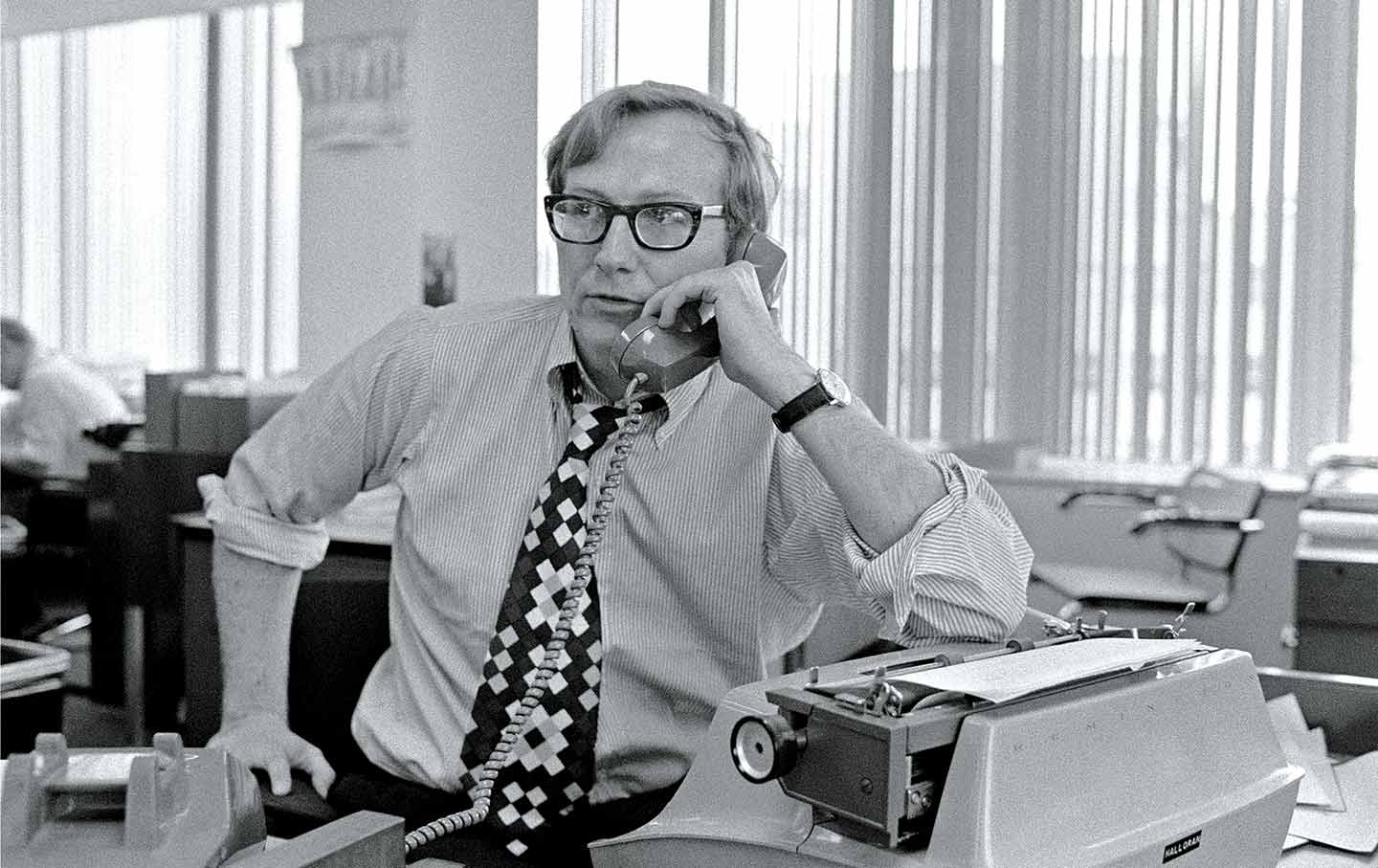
A Pentagon press briefing during the Vietnam War era exemplifies how reporters often follow herd behavior, repeating briefing statements to avoid being scooped. Reporters fear editorial reprimands and the competitive call asking why they did not report what rivals did. Seymour Hersh rejected that conformity, cultivating relationships with young officers and informal sources to learn unreported truths. Hersh uncovered the My Lai massacre, the deliberate slaughter of several hundred Vietnamese civilians in 1968 by US troops, which galvanized the anti-war movement and propelled his career. Hersh's work demonstrates meticulous sourcing, persistent investigation, and the impact of independent reporting.
Read at The Nation
Unable to calculate read time
Collection
[
|
...
]