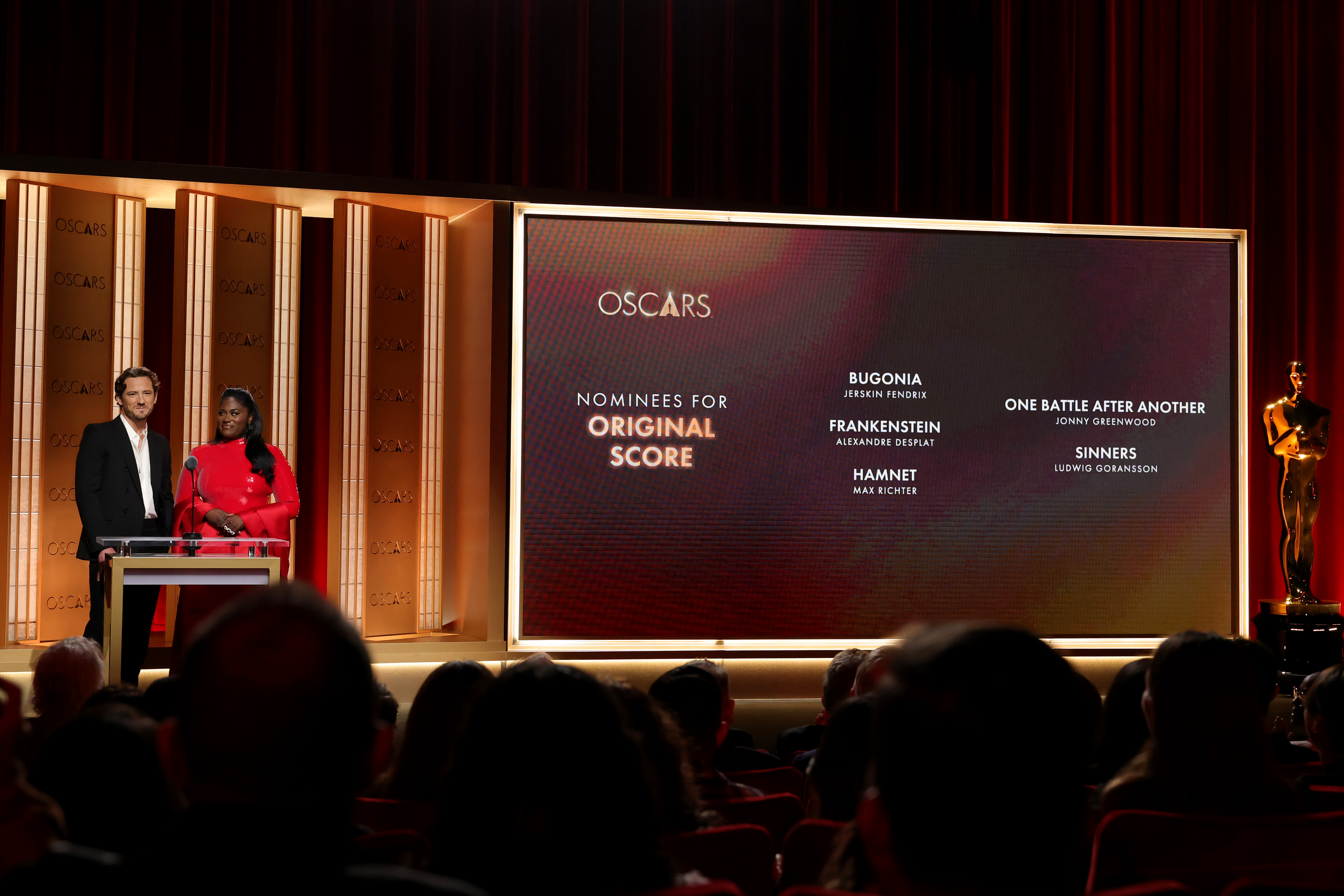
Film scores can achieve greatness through iconic themes, meaningful leitmotifs, innovation, or grand orchestral arrangements. However, the Academy's Oscar nominations frequently favor generic, unmemorable compositions over exceptional work. This year's nominees include Max Richter's anonymous Hamnet score, Alexandre Desplat's Frankenstein-sized contribution, and Jerskin Fendrix's forgettable atonal strings for Bugonia. Notable exceptions exist: Ludwig Göransson's Sinners score brilliantly fuses blues, power metal, turntabling, Irish folk, and Appalachian bluegrass, embodying transcendent cultural fusion more exciting than his Oscar-winning Oppenheimer work. Johnny Greenwood's One Battle After Another demonstrates masterful orchestral composition without bombast. The Academy's complicated relationship with music and merit dates back to 1934, when it awarded the first Best Original Score to the Columbia Studio Music Department.
"Ludwig Göransson's Sinners score freely blends blues, power metal, and turntabling with snatches of Irish folk and fingerstyle Appalachian bluegrass, embodying the kind of transcendent cultural fusionism that Ryan Coogler's plot sometimes struggles to accomplish; it's much more exciting (and deserving) than his Oscar-winning work for Oppenheimer."
"Johnny Greenwood has constructed a real-deal Hollywood score for One Battle After Another, leveraging the full orchestra for moments of grand-scale impact without ever tipping over into bombast."
"Between Max Richter's anonymous, self-plagiarizing Hamnet score and Alexandre Desplat's Frankenstein-sized participation trophy, we have Jerskin Fendrix's music for Bugonia, a collection of screeching strings as pleasantly atonal and immediately forgettable as the movie they've soundtracked."
Read at Defector
Unable to calculate read time
Collection
[
|
...
]