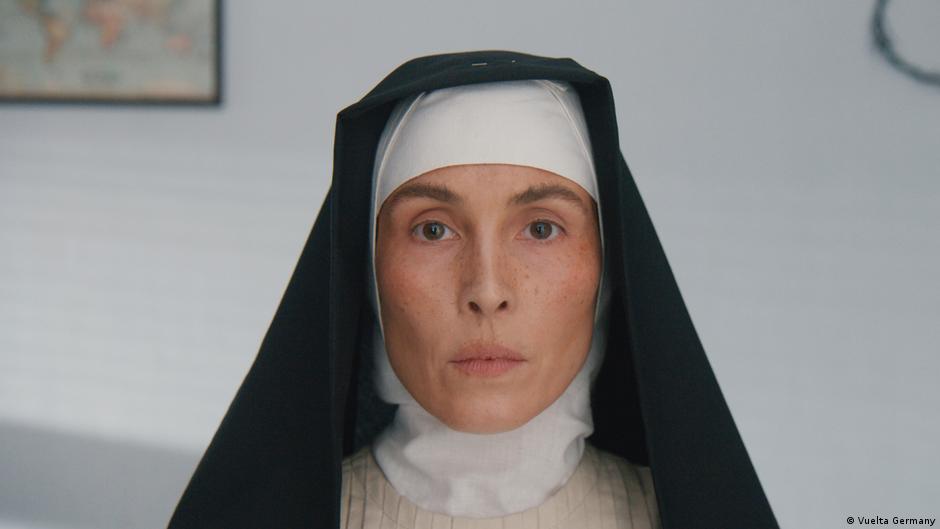
"Calcutta was overcrowded, the state welfare system was overwhelmed and the health care system was virtually non-existent. After around 200 years of colonial rule, India faced enormous challenges shortly after gaining independence from Great Britain. The country was in turmoil, and thousands of people died in violent crises. The film "Mother" depicts the extent of this chaos. Instead of shiny aesthetics, it shows a cityscape of noise, cramped conditions and throngs of people."
"The film shows Teresa (played superbly by Noomi Rapace) not as a supernatural figure of light, but as a woman rebelling against the Catholic Church. After all, her plan was revolutionary: to leave the convent, found her own order, move into the slums and care for the sick and dying as a nun living outside of the order. The Church put the brakes on her ideas, because Teresa's wishes meant breaking with old traditions and obedience."
Teresa moved to India at 19 and encountered widespread misery, hunger, and disease in Calcutta. She served as a nun and teacher with the Catholic Loreto Order amid overcrowded slums, overwhelmed welfare, and near-absent health care. During a train journey she experienced a calling within a calling to live among and serve the poorest. She sought to leave the convent, establish a new order, and live in the slums caring for the sick and dying, but church authorities resisted until Vatican approval in 1948 and the formal founding of the Missionaries of Charity in 1950. The film conveys the atmosphere with dense visuals, sparse dialogue, and distorted electric guitars, contrasting slum hardship with an idealized school world.
Read at www.dw.com
Unable to calculate read time
Collection
[
|
...
]