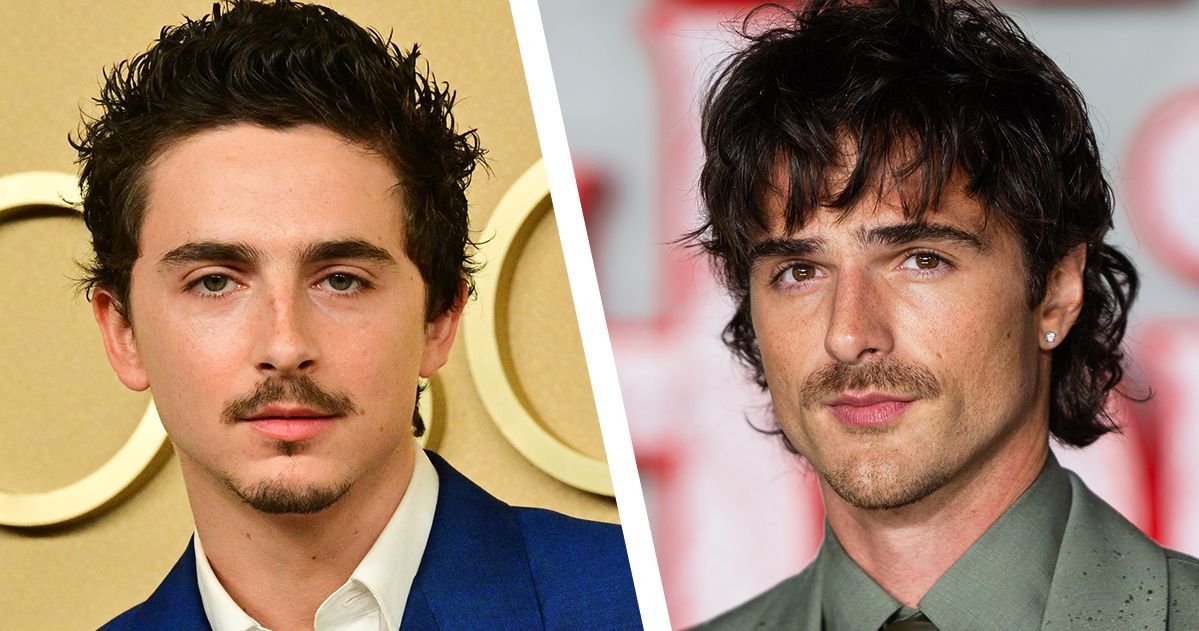
"It seems as if every year at the Oscars, another of the Academy's old biases falls by the wayside. Genre films like Everything Everywhere All at Once, , and now rack up major nominations. International contenders regularly compete all across the ballot. More work remains to be done - infamously, there has still never been a Black Best Director winner - but it's heartening to see the definition of what, and who, is considered Oscar-worthy expand beyond the narrow confines of yore."
"That could turn around this year, when these long-overlooked performers finally get their moment in the sun. I'm talking, of course, about young hunks. For as long as I've been following the Oscars, it has been conventional wisdom that young men do not win acting trophies. This is particularly true for Best Actor, where there has been only one winner younger than 30 in the entire history of the Oscars: The Pianist's Adrien Brody, who was 29 when he won in 2003."
The Oscars have gradually broadened what and who is considered award-worthy, with genre films and international contenders earning major nominations. Significant representation gaps remain, including the absence of a Black Best Director winner. Young male actors have been especially unlikely to win major acting Oscars; only Adrien Brody won Best Actor at age 29 in 2003. The Academy's older, mostly male electorate has been perceived to delay awarding young stars, who already possess wealth, youth, and fame. High-profile examples include Leonardo DiCaprio and Brad Pitt waiting years for acting Oscars, and recent races where Austin Butler lost to Brendan Fraser, suggesting a potential shift.
Read at Vulture
Unable to calculate read time
Collection
[
|
...
]