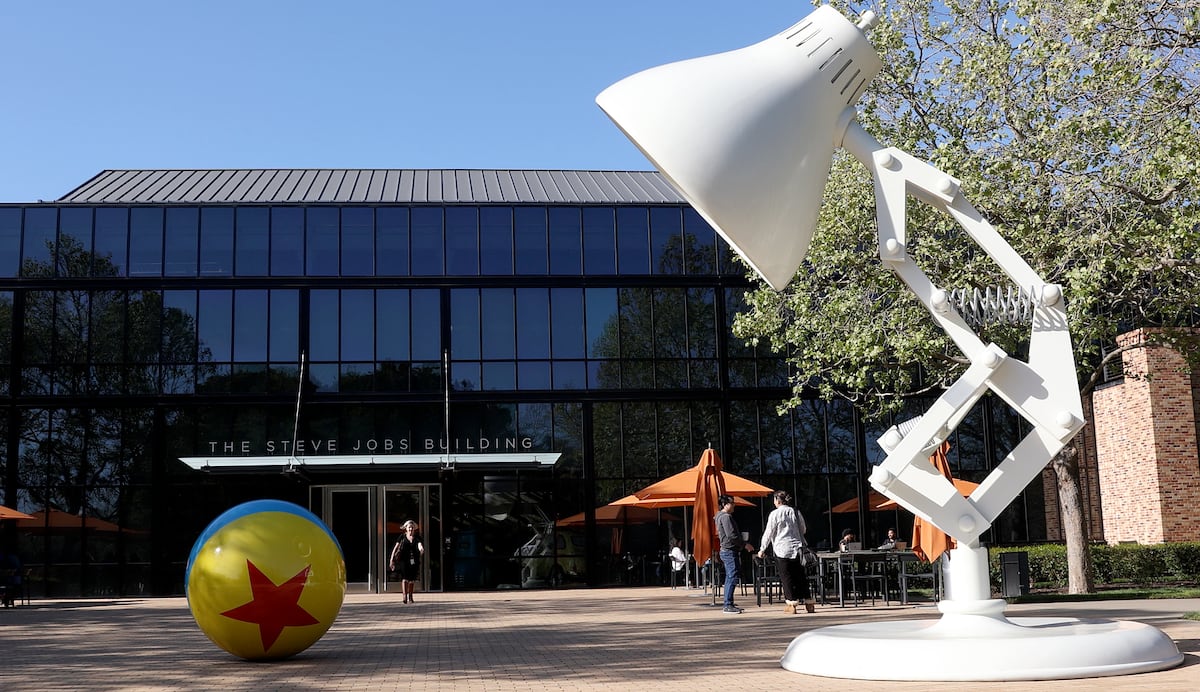
"Pixar's animated films and military drones have something in common. One of the key technologies in the success of the studios behind Toy Story and Finding Nemo has also been crucial in enabling unmanned aerial vehicles (UAVs) to gain precision and become a lethal tool widely used in wars like those in Gaza and Ukraine. This technology is 3D rendering, or object modeling, systems developed by Pixar, which now belongs to Disney."
"Part of its success was due to a piece of software called RenderMan. Designed by the Pixar team, the program was responsible for rendering complex 3D images for the first time, it could convincingly capture details like shine, textures, skin, hair, and lens effects. This rendering system gave the characters, settings, and objects on screen that signature Pixar finish, and marked a departure from the days of polygonal shapes. The toys seemed to move naturally."
Pixar developed 3D rendering and object-modeling systems that enabled highly realistic animation, exemplified by Toy Story (1995). RenderMan, created by the Pixar team, rendered complex 3D images capturing shine, textures, skin, hair, and lens effects, producing the studio's signature finish and natural motion. RenderMan's foundations trace to Ed Catmull's University of Utah doctoral work on rendering problems. Catmull received both an Oscar and a Turing Award for contributions to 3D computer graphics and CGI. The underlying research received funding from the U.S. Defense Advanced Research Projects Agency (DARPA). The same rendering methods have been adapted to improve drone navigation and targeting.
Read at english.elpais.com
Unable to calculate read time
Collection
[
|
...
]