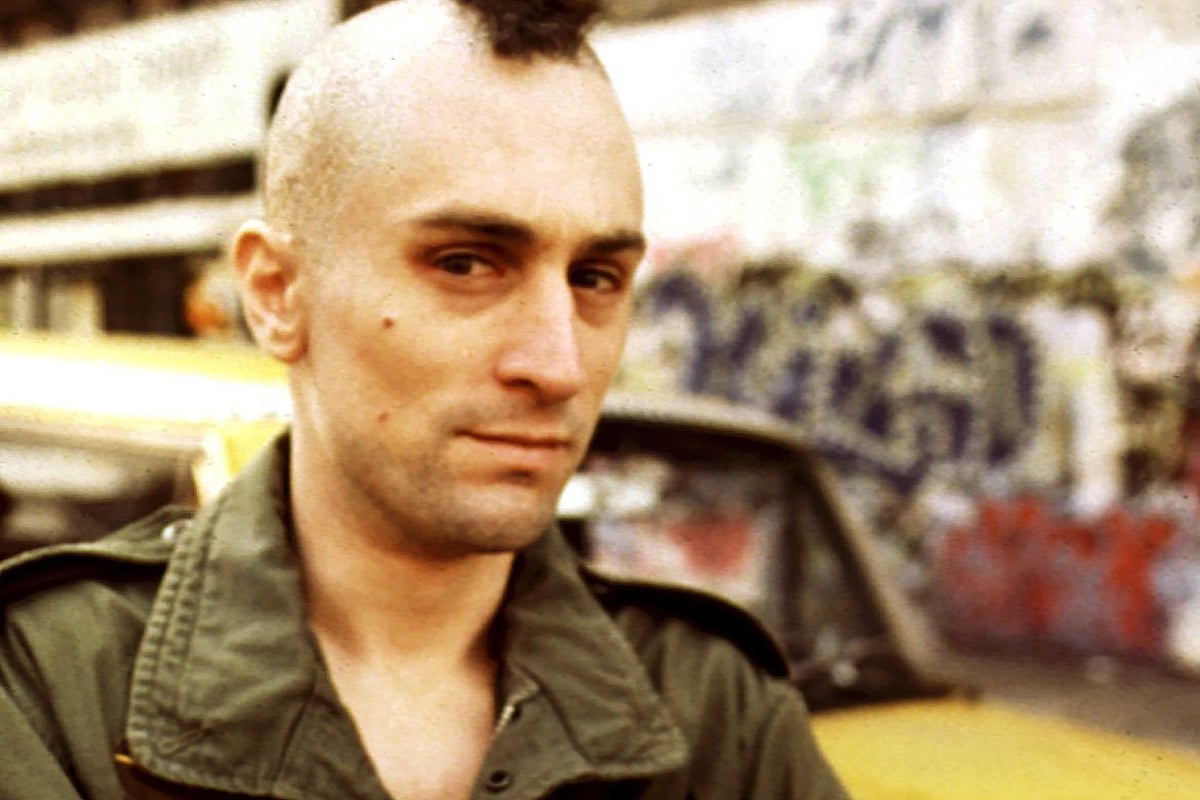
"Lindsay's big gamble paid immediate dividends. New York-based productions first doubled, then trebled, funnelling much-needed funds to the stricken local economy. In practice, though, the younger filmmakers swerved the monuments and museums and instead beat a path to less salubrious sights. They shot the mean streets and ghettos, the porn theatres and flophouses. They captured the complete urban blight of a metropolis in meltdown."
"Lindsay can be glimpsed - albeit thickly fictionalised - in the form of Charles Palantine, the blandly charismatic politician who haunts the wings of Taxi Driver (1976). Martin Scorsese's noir classic now stands as the apotheosis of this new wave of grubby New York stories; the biggest of the so-called "Bad Apple" genre of films, which flourished in the city for nearly a decade, from John Schlesinger's Midnight Cowboy (1969) through to Walter Hill's The Warriors (1979)."
In 1966 John Lindsay launched the Mayor's Office of Film, Theatre and Broadcasting, offering producers a single one-stop shooting permit that opened parks, museums, streets, courthouses, libraries and monuments to filmmakers. New York-based productions doubled then trebled, bringing much-needed money into the faltering local economy. Younger filmmakers favored gritty locations over landmarks, shooting ghettos, porn theatres, flophouses and other signs of urban blight. The resulting films amplified the city's decline on screen and helped define a 'Bad Apple' cycle of gritty New York pictures from 1969 to 1979. Several major films relied on the new permit system to be made.
Read at The Independent
Unable to calculate read time
Collection
[
|
...
]