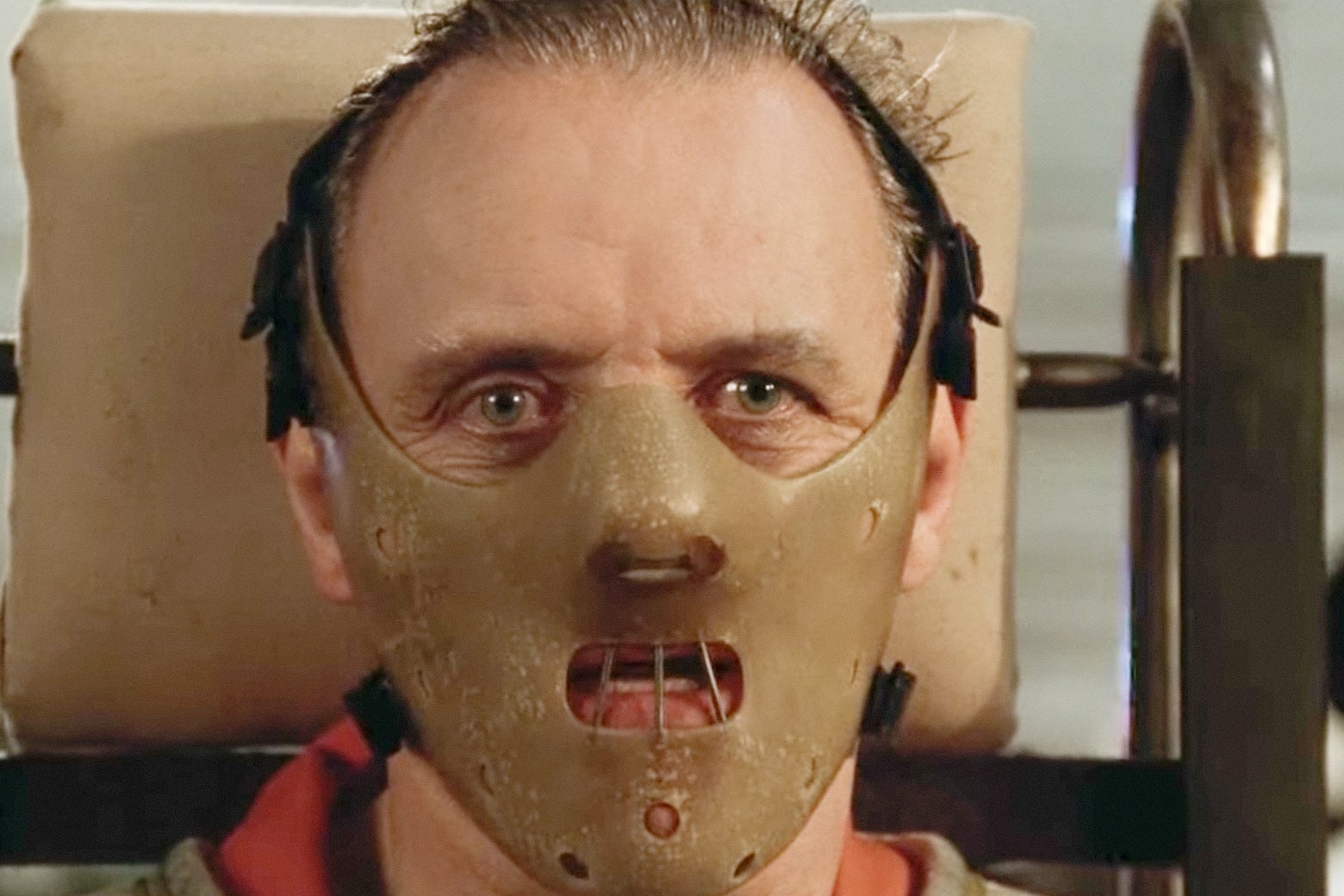
"The Welsh-born actor had spent much of the decade living in the United States, where he split his time between the stage and the screen, building an utterly respectable career. He had played a compassionate doctor in David Lynch's The Elephant Man, a murderous ventriloquist in the cult thriller Magic, and the real-life convicted child murderer Bruno Hauptmann in the TV movie The Lindbergh Kidnapping Case, for which he had won his first Emmy."
"Hopkins had seen plenty of banal maliciousness while growing up in post-World War II Europe, where he had felt stupid and useless, a self-described oddball whose teachers constantly reminded him of his failings. "Our education was hideous-a lot of corporal punishment," he said. "I was terrible in everything." As a teenager, he took inspiration from his local movie star, Richard Burton, the stage actor and then ascendant Hollywood dynamo who lived near Hopkins in a working-class Welsh seaside town."
By the late 1980s Anthony Hopkins believed his Hollywood career was over. The Welsh-born actor spent much of the decade in the United States, splitting his time between stage and screen. He played a compassionate doctor in David Lynch's The Elephant Man, a murderous ventriloquist in the cult thriller Magic, and portrayed convicted child murderer Bruno Hauptmann in the TV movie The Lindbergh Kidnapping Case, winning his first Emmy. He later won a second Emmy for playing Adolf Hitler. Hopkins often inhabited madmen yet located flashes of pathos in despicable characters. He grew up in post-World War II Europe, felt useless, endured harsh corporal punishment, admired Richard Burton, and began performing to work out antisocial tendencies.
Read at Slate Magazine
Unable to calculate read time
Collection
[
|
...
]