Gwyneth Paltrow felt surprised and initially stifled by the presence of intimacy coordinators because of explicit, choreographed direction for sex scenes. Generational differences shaped discomfort, with earlier on-set norms favoring unguarded nudity and improvised intimacy. Paltrow acknowledged that #MeToo-era protections and intimacy coordinators create important consent frameworks and guardrails that benefit newer actors. Past professional encounters with Harvey Weinstein were recounted, including alleged harassment at age 22. Paltrow welcomed modern roles that teach consent and protect performers entering the industry today, and she expressed relief that younger actors and her daughter would have those protections.
""I don't know how it is for kids who are starting out, but ... if someone is like, 'Okay, and then he's going to put his hand here,' I would feel, as an artist, very stifled by that," she told Vanity Fair, adding that she came up in a time when the vibe on-set was "you get naked, you get in bed, the camera's on.""
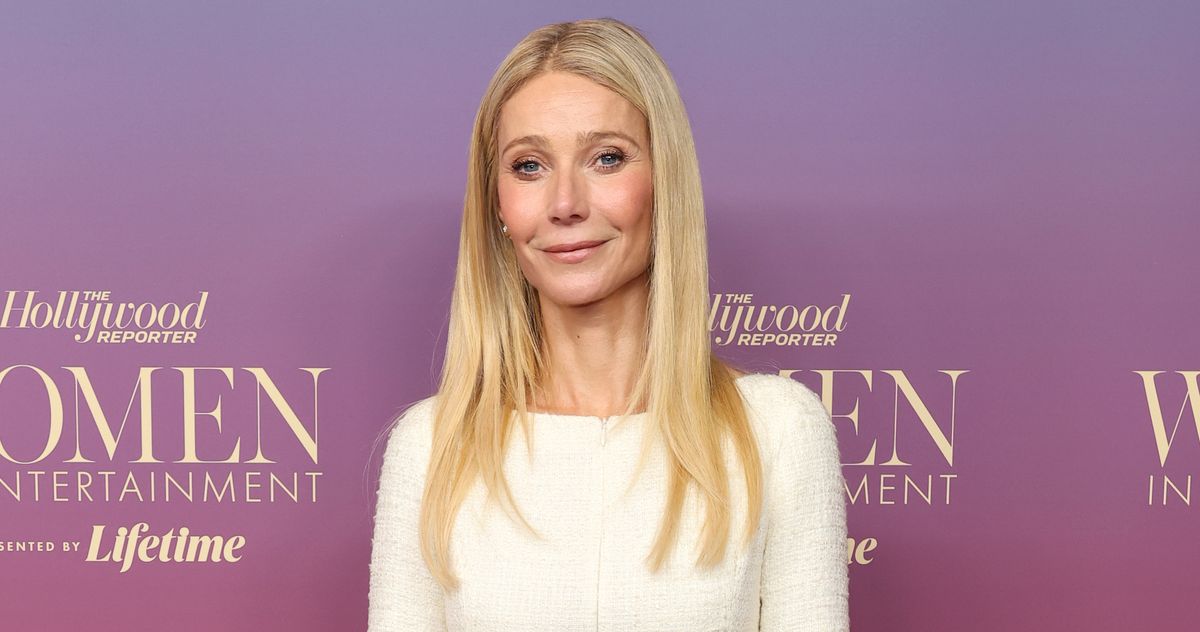
""What I meant was that I was totally surprised, like, who is this person?" Paltrow said to The Hollywood Reporter. "I think all of the protections that came from the #MeToo movement are great, but for me, personally, I was not used to that." Marty Supremeis Paltrow's first movie gig in years, and the rise of intimacy coordinators was confusing for her in the same way Teams is weird for chronically offline coworkers. "It's like, 'OK, now he's going to squeeze your boob,' or whatever, and I felt more embarrassed talking about it than just doing it," Paltrow said of her experience - an experience she doesn't necessarily think was good or chill."
Read at Vulture
Unable to calculate read time
Collection
[
|
...
]