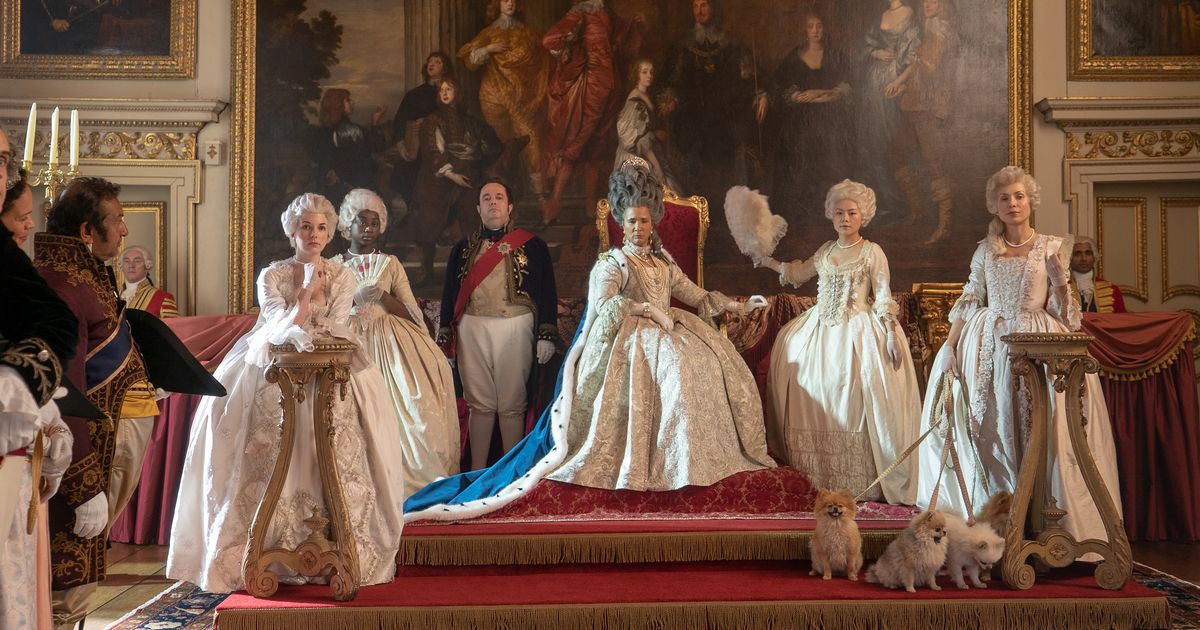
"The house from Downton Abbey? That's the real home of George Herbert, 5th Earl of Carnarvon, also known as the Guy Who Discovered King Tut. His death basically codified the mummy's-curse trope in the popular imagination. The headquarters of Spectre in Not only is it the same courtyard that a giant Jack Black traipsed through in Gulliver's Travels, it's the birthplace of Winston Churchill."
"If New York is a character on Sex and the City, British rooms are like British character actors. They can switch accents at the drop of a hat, they all know each other, and most of them are well connected to the aristocracy. That's how the rooms could afford drama school."
"We picked ten of the rooms with the longest CVs (British for résumé) and ranked them on three main criteria: performance style (What are their unique features and quirks?), how much of an onscreen veteran they are (Which get used the most?), and range (Can they play more than one era and/or continent?)."
American film and television productions frequently reuse studio back lots, with the same locations appearing across numerous shows and films. However, British television productions benefit from utilizing actual historic houses with real historical importance. These properties, such as the home of the 5th Earl of Carnarvon who discovered King Tutankhamun, serve as filming locations repeatedly across period dramas. British rooms function similarly to character actors, adapting to different roles and eras while maintaining connections to aristocratic heritage. The article evaluates ten prominent British houses based on their performance style, frequency of onscreen appearances, and range across different time periods and settings.
#british-historic-houses #period-drama-filming-locations #television-production-reuse #historic-estates-and-aristocracy #film-and-television-sets
Read at Vulture
Unable to calculate read time
Collection
[
|
...
]