"For more than a decade now, James Cameron's Avatar films have been built on the reassuring idea that the universe is alive, connected and spiritually pure. Part of the pleasure of making it to the end credits of one of them is the comforting feeling that we are nothing like all those evil humans who want to destroy Pandora's gorgeous bioluminescent utopia of giant blue cat people and navel-gazing whale creatures."
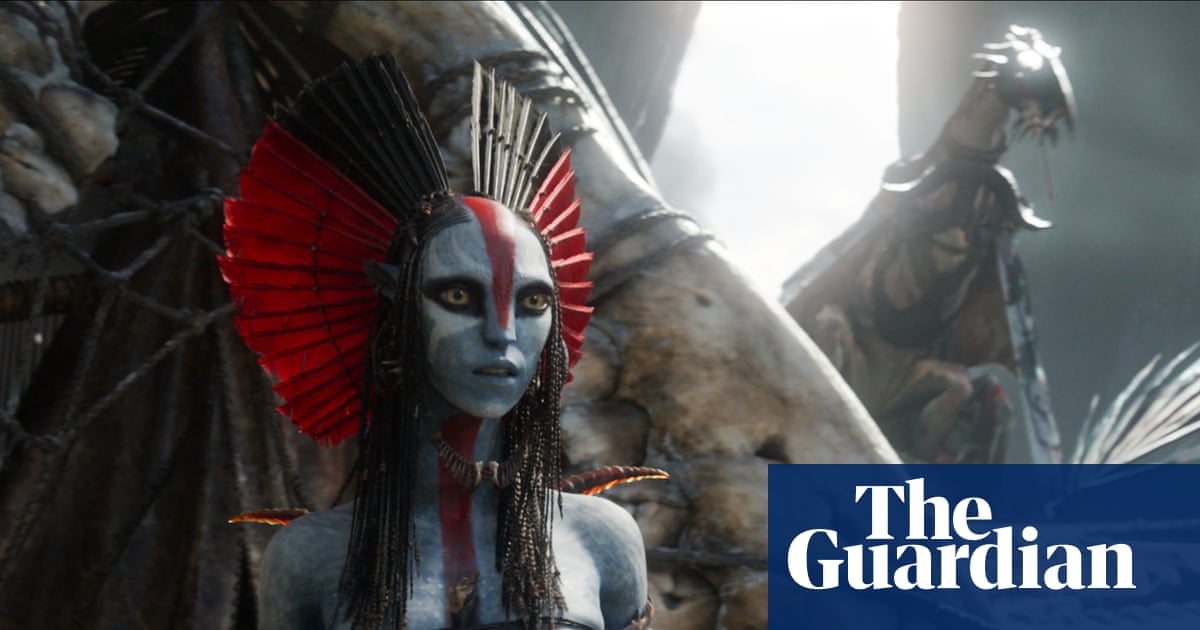
"The volcano-dwelling Mangkwan clan, led by Oona Chaplin's ferociously unimpressed Varang, demonstrate that not all Na'vi are peaceful hippies. The Mangkwan are a people who believe Eywa has ghosted them, who have unplugged entirely from Pandora's deity-cum-neural-network, and who would rather spend their days torching sky-ships, looting the wreckage and enthusiastically murdering anything that still believes in harmony. What's striking is the way the film treats their violence as coherent."
Fire and Ash rejects the franchise's reassuring premise that nature reliably favors harmony, portraying a world where balance fractures and allegiance fractures. The film retains lavish visuals, extravagant technology and overt sincerity, but introduces harder moral complexity by showing nature as ambivalent. A volcanic Mangkwan clan, led by Varang, has severed its connection to Eywa, attacking sky-ships, looting wreckage and killing those who still trust in unity. Their violence is framed as coherent and adaptive, not merely corrupt. Abandonment and survival reshape cultural identity on Pandora, producing sectarian conflict that challenges previous notions of ecological purity.
Read at www.theguardian.com
Unable to calculate read time
Collection
[
|
...
]