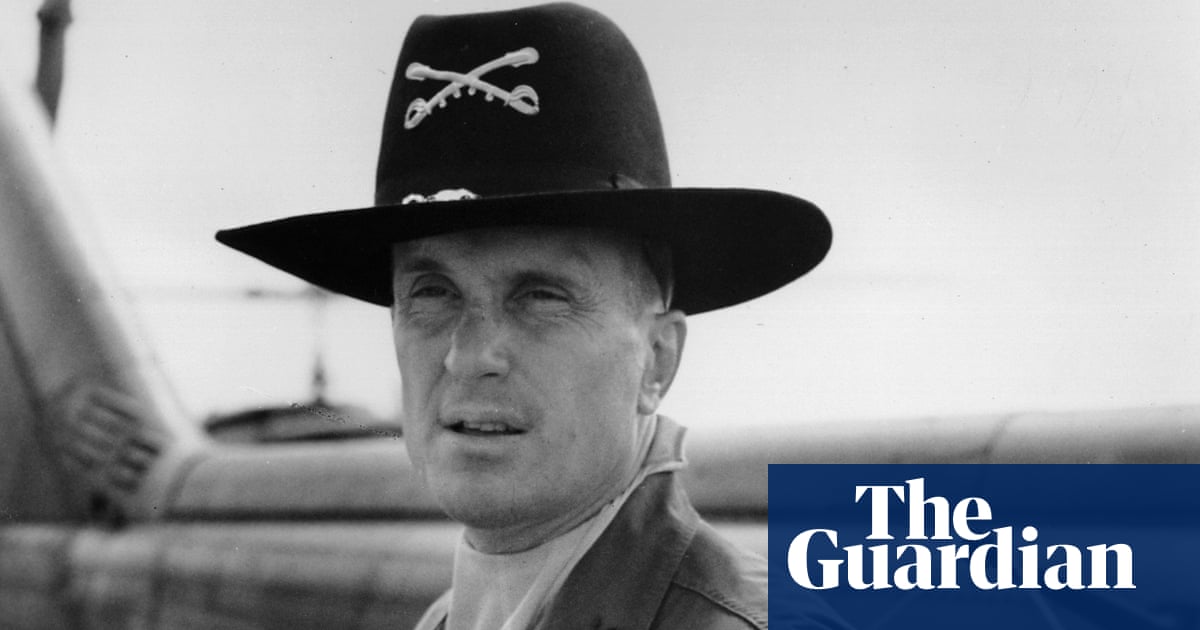
"What made Robert stand above these other figures was how he disappeared into a part. There was no Duvall persona. He was invisible. There were just the characters he played. He could do loud and angry see his sublime turns in The Great Santini or his seminal Colonel Kilgore in Apocalypse Now. Yet I loved his quieter performances more, which would slowly sneak up on you, pull you close and then blow you away with the brilliance of his choices and the risks he took."
"Particularly later in his career, when his fellow luminaries were busy cashing cheques playing parodies of their most famous characters, Robert was still pushing the boat out. Check out his turn in The Judge, or the complexity of his performance in The Apostle. Over the next few days, there will be the usual encomiums, which will focus on a handful of roles, and yet there is so much more to Duvall's legacy that I urge readers to seek these other, less famous performances out."
Robert Duvall consistently disappeared into characters, creating no enduring personal persona and fully embodying each role. He delivered both loud, commanding turns (The Great Santini; Colonel Kilgore in Apocalypse Now) and quieter, subtle performances that slowly reveal their power. He continued to take artistic risks later in his career while some contemporaries relied on familiar screen personas. Notable performances include The Judge, The Apostle, Network (Frank Hackett), Wild Horses (Scott Briggs, which he directed), Tender Mercies (Mac Sledge, Oscar-winning), A Family Thing (Earl), and Tom Hagen in The Godfather. He loved tango and attended La Nacional in New York. Many lesser-known performances merit viewing to appreciate his breadth.
Read at www.theguardian.com
Unable to calculate read time
Collection
[
|
...
]