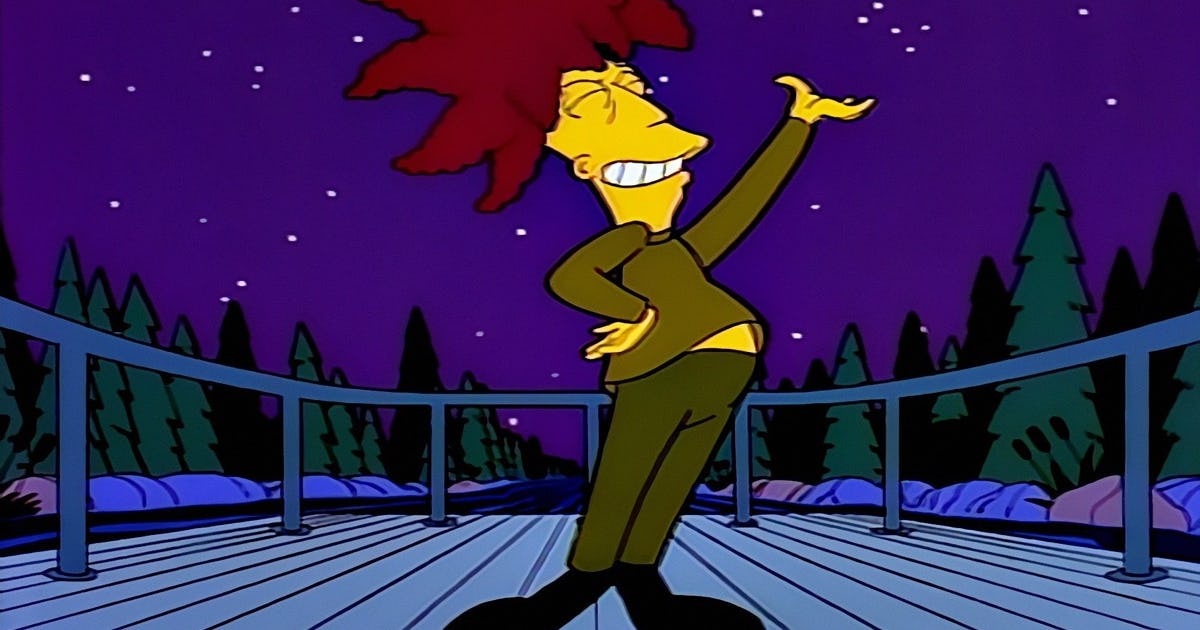
"Either way, casual fans may assume that the genre's output is mostly musicals and Shakespeare, but there's a surprising amount of experimentation out there, too. Now, one of the most creative directors working today is adapting a theatrical work that takes an iconic piece of pop culture - The Simpsons - and turns it into a post-apocalyptic story of hope and survival."
"In Act One, set soon after the apocalypse, a group of survivors gather around a campfire and distract themselves by trying to remember the plot of the Simpsons' "Cape Feare" episode, in a scene crafted by actually assembling a cast of actors and asking them to recall the show. Then, in Act Two, we jump ahead seven years and follow a troupe of actors as they tour a production of this and other Simpsons stories, Station-Eleven-style."
"Finally, in Act Three, we see what happens after the story spends 75 years traveling through a post-apocalyptic culture. The light-hearted theater piece has morphed into epic tragedy; Simpsons characters are represented through masks, and the actual "Cape Feare" villain, Sideshow Bob, is replaced by Mr. Burns, now an all-encompassing symbol of evil, much like how early theater relied on stock characters."
A three-act play depicts a world after an unspecified apocalyptic event. In Act One, survivors gather around a campfire and reconstruct the plot of the Simpsons' "Cape Feare" episode by memory. Act Two jumps seven years forward to follow a touring troupe performing that reconstruction and other Simpsons stories. Act Three takes place roughly seventy-five years later, showing the story transformed into epic tragedy, with Simpsons characters performed behind masks and Mr. Burns elevated into an all-encompassing symbol of evil. The piece interrogates how contemporary pop culture might be remembered and reshaped into myth over generations.
Read at Inverse
Unable to calculate read time
Collection
[
|
...
]