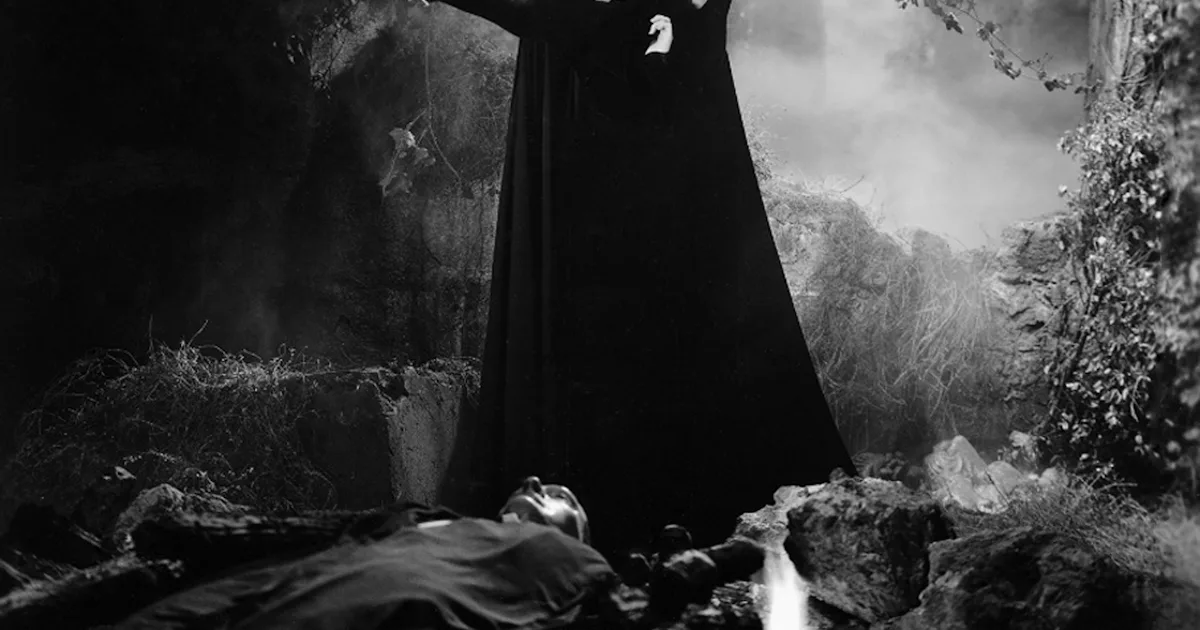
"What did emerge from its brisk, relatively slim 71-minute runtime is still one of the great tragic villains of cinema in Countess Marya Zaleska. Given the subtext of her desires, the Production Code at the time not only demanded her demise, but her status as a predatory monster in one way or another. But thanks to Gloria Holden's hypnotic eyes and elegant performance, Marya Zaleska is treated with dignity, even sympathy. And thus, cinema got its first queer vampire."
"Many of the writers, credited and not, clearly knew their way around the genre, having penned many a horror screenplay, and would later go on to do the same for far more, both in horror and darker women's picture films such as Ladies in Retirement and Gaslight. Because compared to the popular western and gangster movies at the time - which were overwhelmingly male centered - horror and melodramas would often champion the concerns of women, and, better yet, introduce complex anti-heroines rarely seen in cinema."
"So it's not exactly an anomaly that we are introduced to the Countess before we meet the comparatively boring hero of the story, and get invested in her struggle and her complexities. Picking up where the 1931 Dracula left off, Marya is there to ensure her vampiric father is truly dead; it is also the catalyst for the tragedy of her story. Unlike her father, Marya is truly desperate to be good, to live the life that society deemed normal."
"As Dracula's body is reduced to ash, she exults, "Free to live as a woman! Free to take my place in the bright world of the living, instead of in"
Dracula's Daughter is a 71-minute Universal horror film with a troubled production history involving shifts in studio leadership and difficulties in writing, casting, and shooting tied to its female lead and queer themes. The story centers on Countess Marya Zaleska, a tragic villain whose desires carry subtext that the Production Code required to end in her demise. Gloria Holden’s performance gives Marya dignity and sympathy, making her a landmark queer vampire. The film’s writers had extensive horror experience and later worked on other darker women’s pictures. Horror and melodrama offered space for women’s concerns and complex anti-heroines, and the narrative introduces Marya before a less compelling hero, investing viewers in her struggle. Marya seeks goodness and a normal life, even as her vampiric nature drives tragedy.
Read at Inverse
Unable to calculate read time
Collection
[
|
...
]