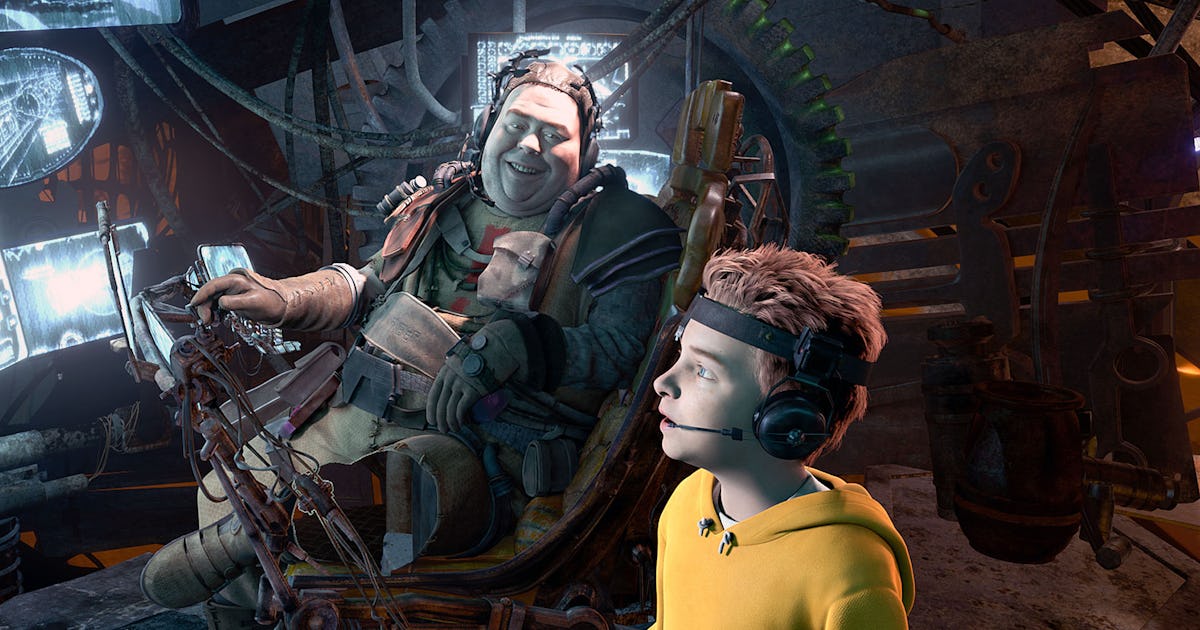
"In the mid-2000s, he became particularly fascinated with motion-capture animation, creating entirely animated worlds with real actors performing in unexpected guises. He was so committed to this new medium that he established a production company, ImageMovers Digital, to create mo-cap movies. It started out well enough, with The Polar Express and Beowulf, which featured big-name actors in fantastical settings that would have been unfeasible or too costly in live-action."
"For Zemeckis, it was a freeing experience that gave him, a legendary perfectionist, even more control over every aspect of the film. He saw it as the future of the medium. But it only took one mega-flop to off the entire trend."
Robert Zemeckis built a career blending traditional filmmaking with technological innovation, from combining animation and live-action in Who Framed Roger Rabbit to pioneering motion-capture animation. In the mid-2000s, he established ImageMovers Digital to create entirely animated worlds with real actors performing in mo-cap suits. Initial successes like The Polar Express and Beowulf demonstrated the technology's potential for creating fantastical settings impossible or prohibitively expensive in live-action. For Zemeckis, a legendary perfectionist, mo-cap offered unprecedented creative control. However, the catastrophic commercial failure of Mars Needs Moms, a sci-fi comedy about aliens kidnapping human mothers, effectively ended the mo-cap trend and Zemeckis's vision for the medium's future.
Read at Inverse
Unable to calculate read time
Collection
[
|
...
]