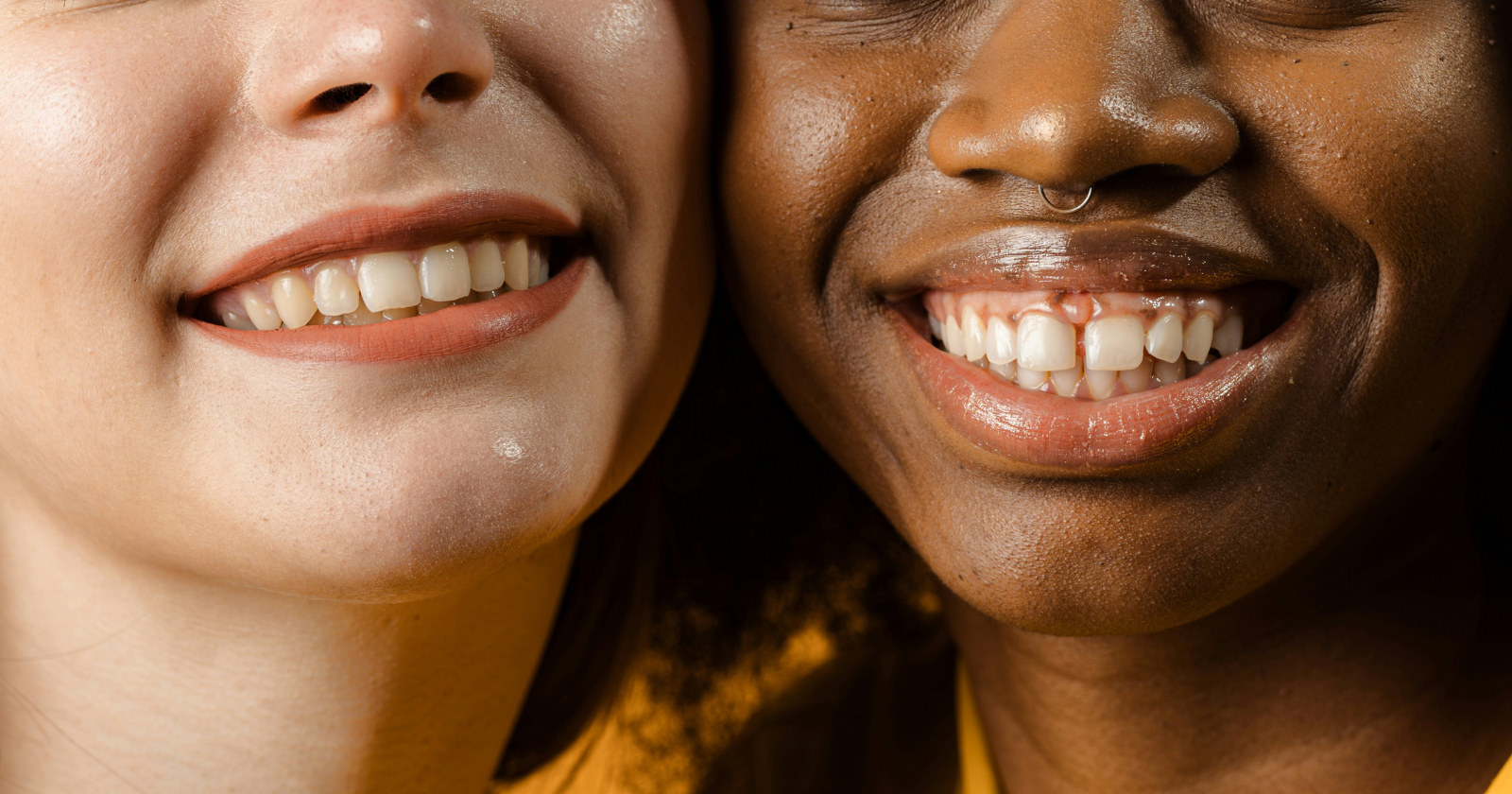
"You know that moment when you catch your reflection in a store window and wonder why your smile looks... off? I had one of those moments last week at a coffee shop. I'd just applied what I thought was the perfect fall lipstick-a gorgeous warm coral I'd been saving for the right occasion. But in the harsh fluorescent lighting, something was wrong. My teeth looked dingy, almost yellow, and my lips seemed to disappear into thin lines."
"Here's the thing nobody tells you when you're standing in the makeup aisle: the undertone of your lipstick matters way more than the actual color. I always thought pink was pink and red was red. But there's a whole science behind warm versus cool undertones that can make or break your entire look. Warm undertones-think corals, peaches, and orangey reds-contain yellow and orange pigments. When you wear these shades, they actually emphasize any natural yellowing in your teeth. It's like putting a yellow filter over your smile. Cool undertones, on the other hand, have blue or purple bases that work like magic."
Lipstick undertone and shade influence how teeth and lips are perceived, affecting overall age appearance. Warm undertones—corals, peaches, and orangey reds—contain yellow and orange pigments that emphasize natural tooth yellowing, acting like a yellow filter. Cool undertones with blue or purple bases counteract yellow hues and make teeth appear whiter and brighter. Harsh lighting can reveal poor color matches by making teeth look dingy and lips appear flattened. Deep, dark lip colors can reduce apparent lip volume and definition, especially as lips lose fullness with age. Choosing appropriate undertones and lighter or cooler shades can create a fresher, younger smile.
Read at Silicon Canals
Unable to calculate read time
Collection
[
|
...
]