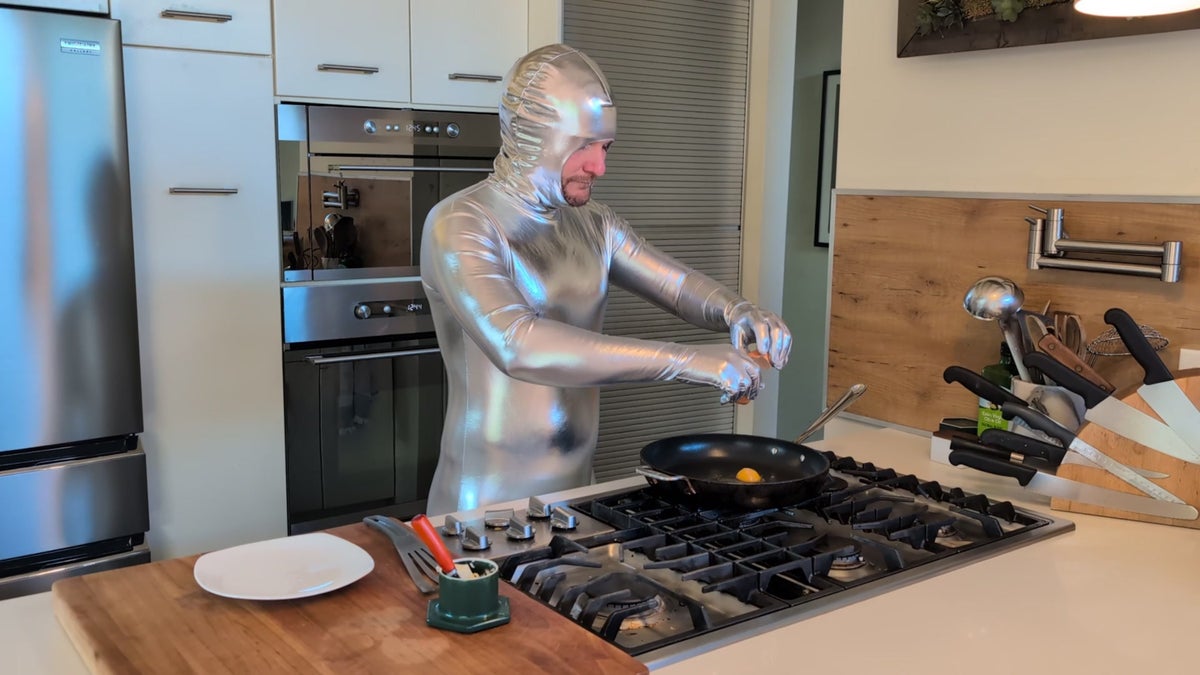
"When I chose the challenges, I was trying to calibrate them so some bronze ones would get done in the first month or two, then silver and gold in the next six months, and the most difficult ones might take a year or a year and a half. To have them do basically almost all of them in the first three months is wild."
"Holson's point was that the hard tasks aren't the dazzling ones. While other competitions feature robots playing sports and dancing, Holson argued that the robots we actually want are the ones that can do laundry and cook meals."
Roboticist Benjie Holson created the Humanoid Olympic Games to test humanoid robots on practical household tasks like opening doors, buttoning shirts, and using keys—skills more valuable than flashy athletic performances. He anticipated these challenges would take years to solve. However, Physical Intelligence's robot completed 11 of 15 challenges within three months, performing tasks including window washing, spreading peanut butter, and handling dog waste bags. This rapid progress surprised Holson, who had calibrated the difficulty expecting bronze challenges to take one to two months, silver challenges six months, and gold challenges up to eighteen months. The unexpected speed of advancement prompted Holson to release a new, more difficult set of challenges.
#humanoid-robots #vision-based-systems #robotic-manipulation #practical-ai-applications #robot-benchmarking
Read at www.scientificamerican.com
Unable to calculate read time
Collection
[
|
...
]