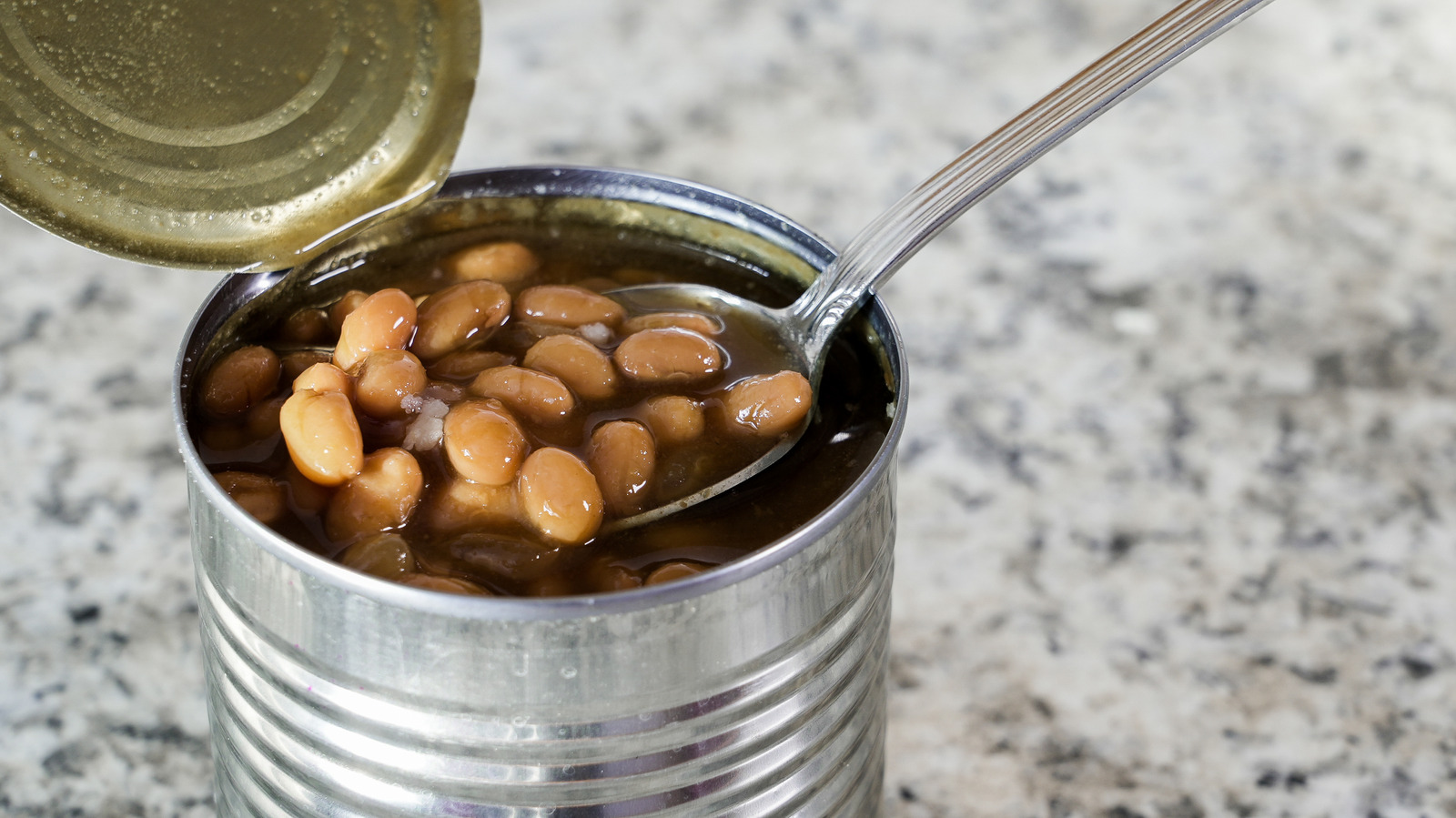
"You can buy 4 pounds (about 8 cups) of dried Iberia-branded pinto beans from Amazon right now for $6.29. Dried beans usually triple in size once hydrated and cooked, so if you cook the whole bag, those 8 cups will yield as much as 24 cups of cooked beans - about 26 cents a cup. A 15.5-ounce can of organic pinto beans from 365 by Whole Foods costs $1.39, and since it's already cooked, that's the full yield."
"A study published in the Food and Nutrition Sciences journal used the Nutrient-Rich Food Index (NRF 9.3), which is a metric that measures how densely packed each food is with nutrients relative to its calorie load, to settle the canned-versus-dried-beans debate once and for all. The gap was pretty wild when they ran the numbers: Dried, cooked beans scored a 7.3, while canned beans landed at just 2.8."
"To put this into perspective, if your household eats beans once a week, you're burning through an extra $35 a year for the convenience alone. Doesn't sound that bad on paper, but it smarts a bit when you're trying to tighten your belt. But the kicker? Canned is way less nutritious and even sodium-heavy."
Dried beans offer substantial cost and nutritional advantages over canned beans. A 4-pound bag of dried pinto beans yields approximately 24 cups of cooked beans for $6.29, equating to 26 cents per cup, while canned beans cost roughly 93 cents per cup. For households consuming beans weekly, this difference amounts to $35 annually. Beyond cost, dried beans demonstrate superior nutritional density, scoring 7.3 on the Nutrient-Rich Food Index compared to 2.8 for canned beans. The canning process significantly reduces nutrient content and increases sodium levels, making dried beans the more economical and nutritious choice despite requiring additional preparation time.
#dried-beans-vs-canned-beans #cost-comparison #nutritional-density #pantry-staples #budget-friendly-cooking
Read at Tasting Table
Unable to calculate read time
Collection
[
|
...
]