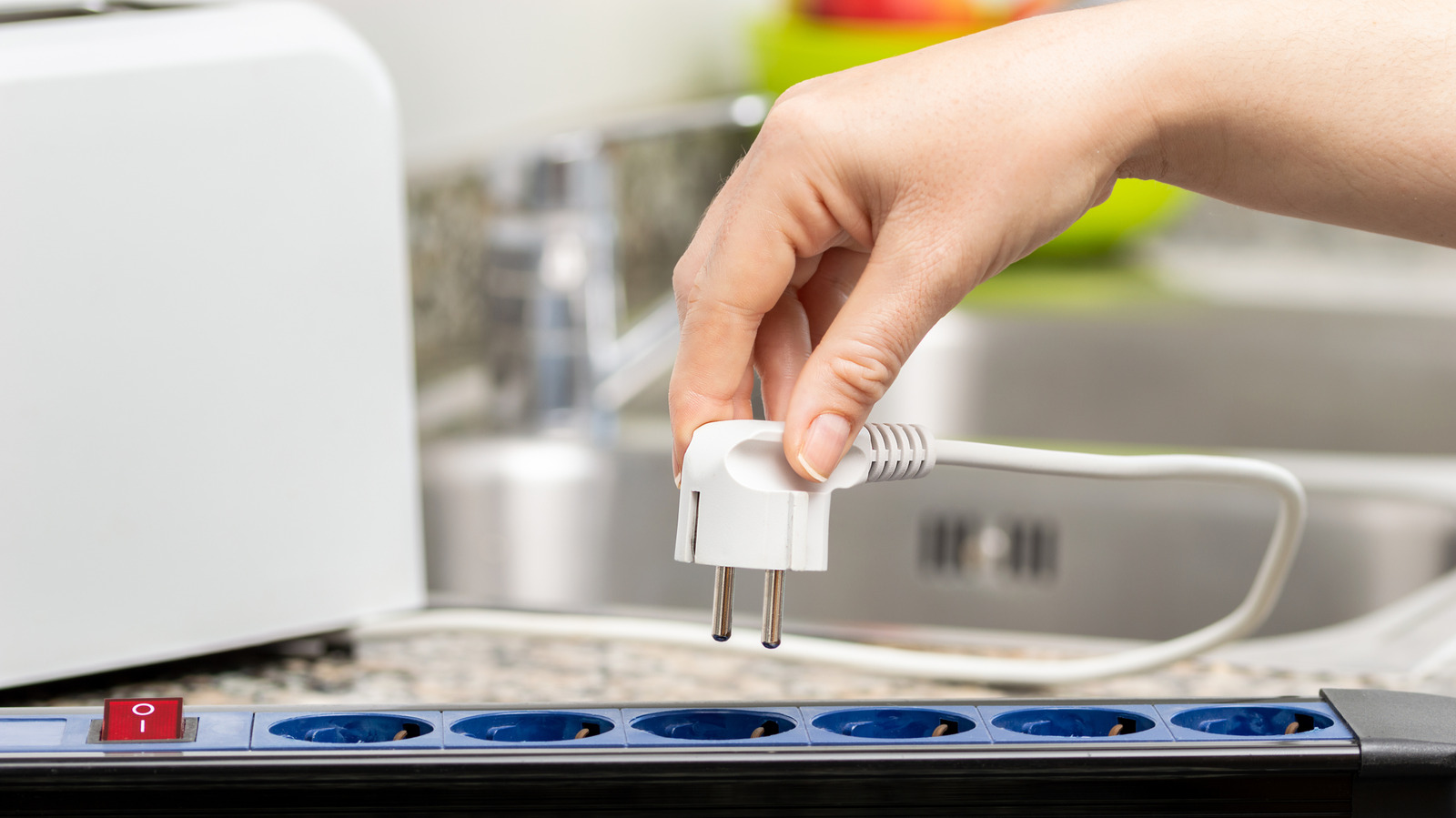
"Most power strips are designed to handle a low load from small appliances like cell phone chargers, computers, and televisions. Plugging in a high-wattage appliance - or multiple - may cause the power strip to overheat, leading to a major fire hazard."
"High-powered appliances like refrigerators, freezers, dishwashers, and microwaves should be plugged directly into the wall. Anything that requires a lot of power or has a motor or heating element should have its own dedicated wall outlet."
"Using a power strip for high-wattage appliances can overload your electrical system, leading to tripped breakers and power outages. If you're not home when this happens, you may come back to spoiled food or damaged appliances."
"Following the instructions in each appliance's manual is crucial for home kitchen safety and fire prevention, and will help make your kitchen appliances last longer."
Older homes often lack sufficient electrical outlets in kitchens, leading to the temptation of using power strips. However, power strips are not designed for high-wattage appliances, which can cause overheating and fire hazards. Appliances like refrigerators, microwaves, and dishwashers should be plugged directly into wall outlets. Using power strips can also overload electrical systems, resulting in tripped breakers and potential damage. Reading appliance manuals is essential for safe usage and maintenance, and unplugging small appliances during storms can prevent power surges.
Read at Tasting Table
Unable to calculate read time
Collection
[
|
...
]