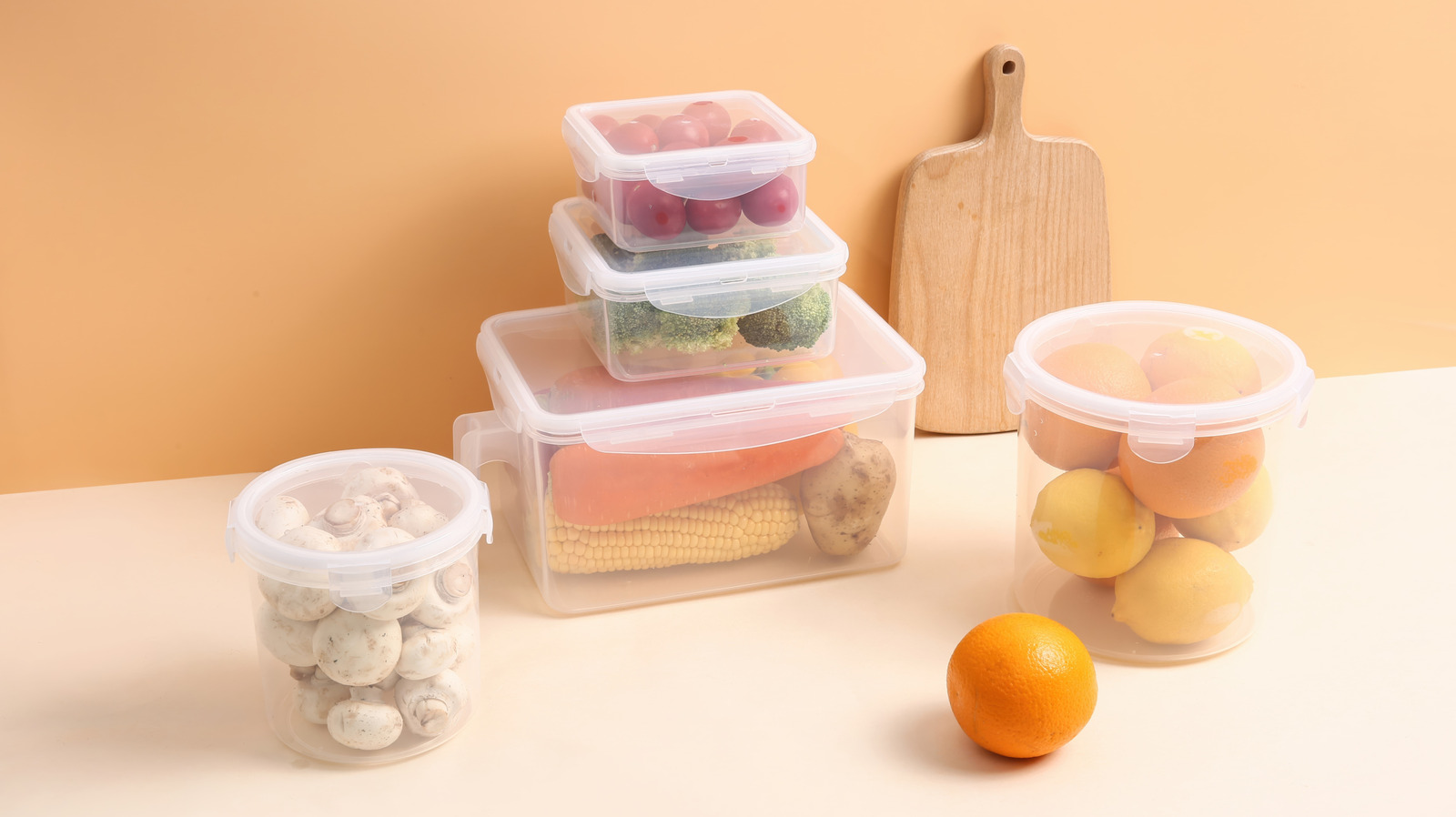
"Plastic food containers are both cheap and convenient these days, offering cheap and simple storage solutions for leftovers in your fridge or dry items in the pantry. But they're not without their problems. Apart from figuring out how to organize those pesky plastic lids, the containers themselves may end up holding onto old food odors that make them unappealing to keep using."
"Rinsing rice gets rid of extra starch and any other debris. Rinsing also ensures your rice doesn't stick together when it's done cooking. If you're making sticky rice or risotto, then this isn't necessary, but for a nice, fluffy rice, rinsing is key. Normally, that water just goes right down the drain. However, that starchy water is slightly acidic and abrasive, which means it has some impeccable cleaning qualities for common problems around the house."
"Think of rice water like a diluted version of vinegar and baking soda. It can tackle a lot of the same cleaning tasks. If you let it soak in one of your used food storage containers for 30 minutes and then finish cleaning it out with soap and water, it should remove any residual odor. People in China and other rice-producing countries have been saving their rice water for years for this purpose."
Plastic food containers often retain old food odors that are difficult to remove with soap and water. Rinsed rice produces starchy water that is slightly acidic and abrasive. That rice water can be used to soak containers for about 30 minutes and then be cleaned with soap and water to remove residual odors. Rice water can also clean dishes, mineral deposits on shower doors, faucets, and toilets. People in rice-producing countries commonly save rice water for cleaning. Rice water does not cut grease and will be ineffective on greasy pots and pans. Mixing rice water with grease-cutting soap reduces soap effectiveness due to acidity.
Read at Tasting Table
Unable to calculate read time
Collection
[
|
...
]