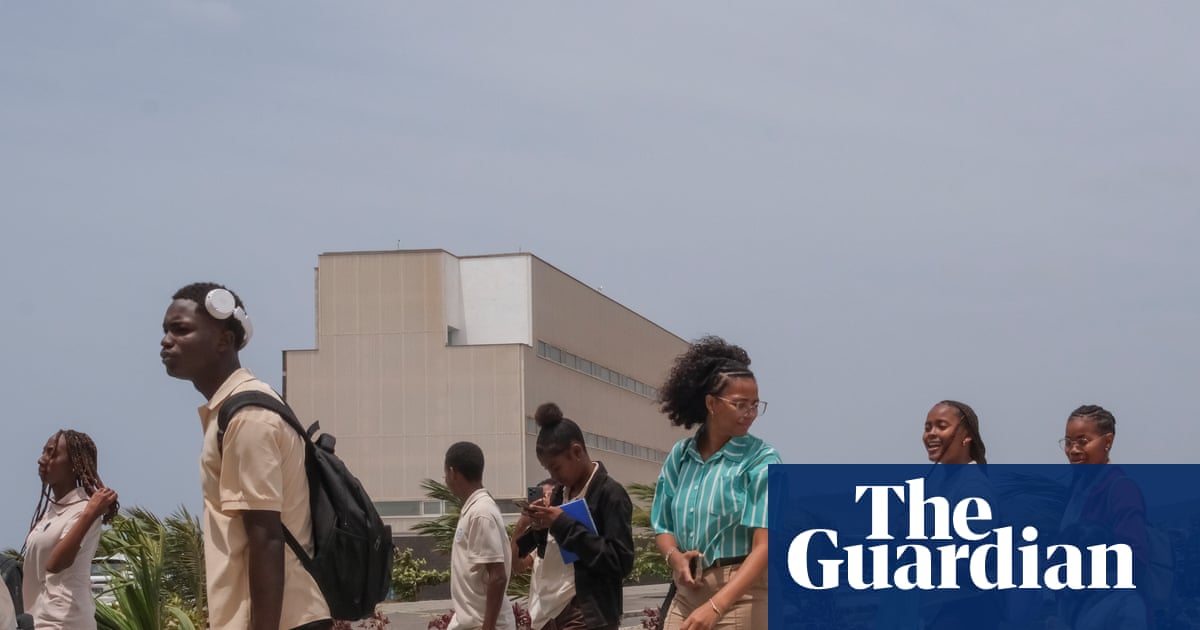
"For much of its history since its discovery by the Portuguese in the mid-15th century, the Cape Verde archipelago off the coast of west Africa served as a hub of the international slave trade, with Africans forcibly transported to marketplaces before being distributed across the Americas and Europe. Now, almost 150 years since slavery was abolished in Cape Verde, and just over 50 years since independence from Portugal, Pedro Fernandes Lopes wants the country to become a beacon for the free movement of human and financial capital across the African diaspora."
"The country had been developing digital governance services for use across Portuguese-speaking Africa for decades when the Covid-19 pandemic struck, tourism numbers briefly plummeted and the government accelerated plans to diversify the economy through technology. In 2021, the digital economy ministry was created with the goal of making the sector account for a quarter of GDP by 2030."
"The ministry already provides public services for the approximately 529,000 people living in Cape Verde's 10 islands, as well as its vast diaspora, which is estimated to be three to four times larger than the country's population. The archipelago's internet penetration rate is now 75% double the African average; schoolchildren are being taught robotics and coding in shipping containers; and more undersea cables are being laid beneath the Atlantic."
"The routes enslaved people were taken along from Africa are the same routes that the submarine cables pass along in the Atlantic, which is crazy, said Lopes in an interview in his office in the capital, Praia, opposite a large mural of prominent Cape Verdean poet"
Cape Verde became a hub of the international slave trade after Portuguese discovery, with Africans forcibly transported to markets and distributed across the Americas and Europe. After slavery was abolished and independence from Portugal was achieved, Pedro Fernandes Lopes aims to make Cape Verde a beacon for free movement of human and financial capital across the African diaspora. The country has developed digital governance services for Portuguese-speaking Africa for decades. During the Covid-19 pandemic, tourism declined and the government accelerated technology-led economic diversification. A digital economy ministry was created in 2021 to target a quarter of GDP by 2030. Public services already support residents and a large diaspora, internet penetration reaches 75%, robotics and coding are taught in schools, and additional undersea cables are being laid across the Atlantic.
Read at www.theguardian.com
Unable to calculate read time
Collection
[
|
...
]