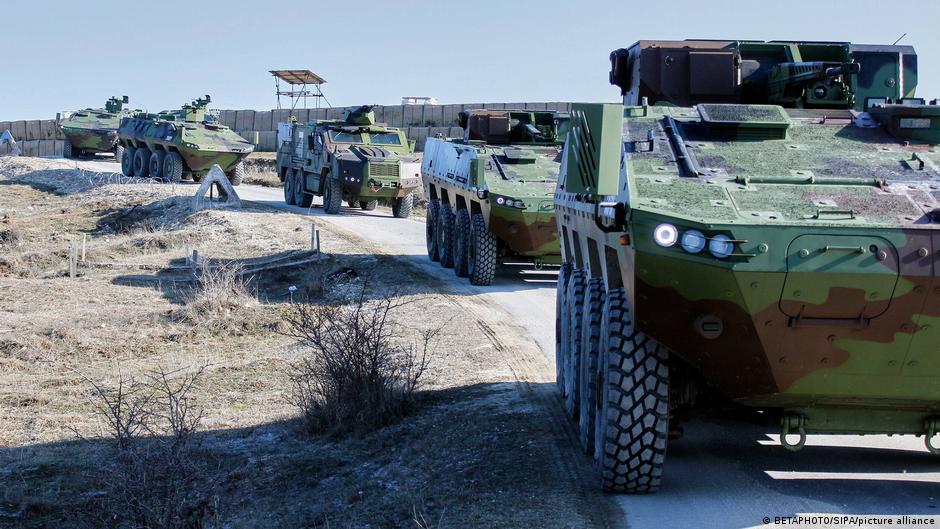
"An increase in defense spending has been most visible and sustained in Serbia. Over the past decade, there has been pressure to replace weapons inherited from the Yugoslav People's Army, while the political leadership has also recognized the political and symbolic value of such investments."
"Tensions with Kosovo have likely reinforced the perception that a stronger arsenal can be a useful bargaining chip in negotiations with international actors."
"Arms purchases are often driven by political motives. Sometimes it even seems that the military itself is surprised by what it receives, because the key factor is who the equipment is bought from, rather than what is actually being purchased."
Serbia leads the Western Balkans in military procurement and defense spending, with defense expenditures roughly six times higher than Albania's between 2020 and 2024. The country ranks 37th globally in major arms imports, surpassing some EU member states in the region. Serbian President Aleksandar Vucic announced plans to double military capabilities within 18 months. This rearmament intensification began around 2016, driven by the need to replace Yugoslav-era weapons and political considerations. Tensions with Kosovo have reinforced perceptions that military strength serves as a bargaining tool in international negotiations. Military analysts note that arms purchases are often politically motivated, with supplier relationships sometimes mattering more than equipment specifications.
Read at www.dw.com
Unable to calculate read time
Collection
[
|
...
]