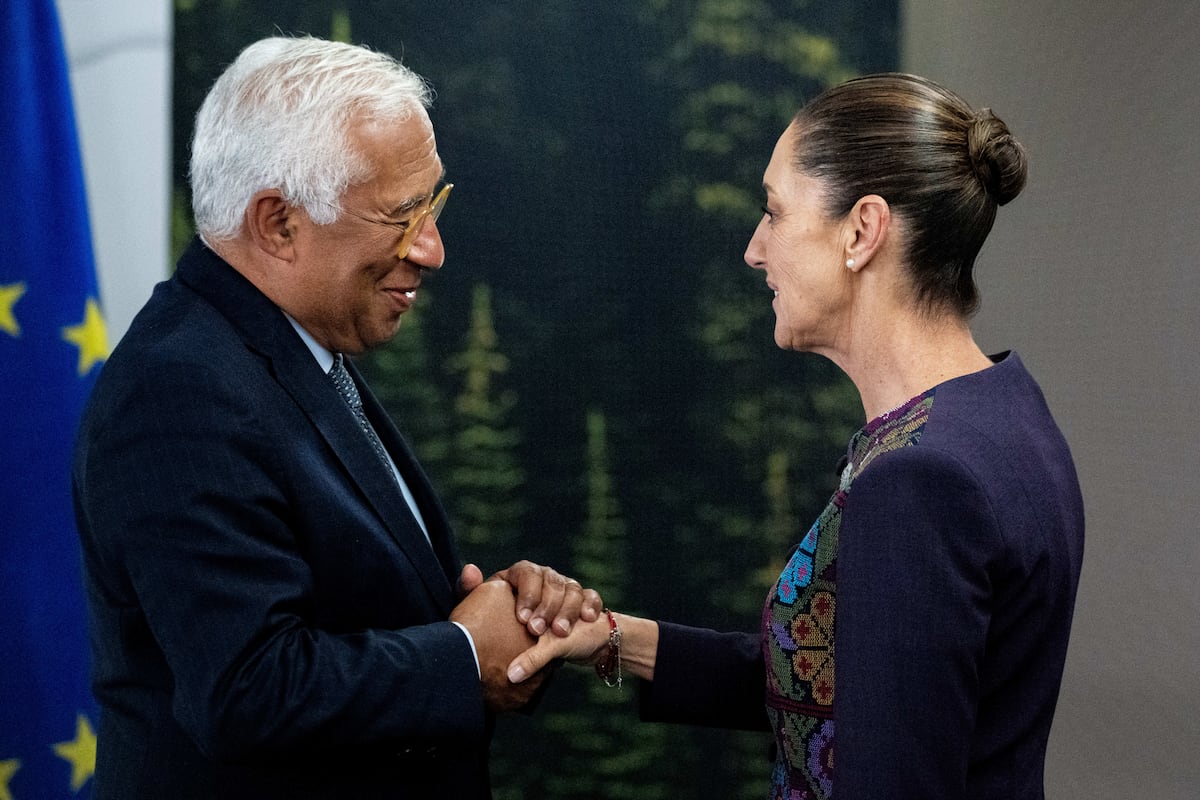
Mexico and the European Union will sign an updated trade agreement in Mexico City after more than 10 years of negotiations. The update is presented as a major signal of rapprochement between parties whose commercial and geopolitical strategies have been disrupted by Donald Trump’s return to the White House and its protectionist approach. The agreement is framed as a renewed commitment to multilateralism and as a way to diversify alliances and risks to lessen the effects of unpredictable, unilateral decisions from Washington. The signing will be followed by ratification by Mexico’s Senate, European institutions, and EU member states. Provisional entry into force for the commercial chapter may occur without approval from all 27 EU countries, likely enabling interim activation in coming months. The update is also described as geopolitical insurance against pressure and coercion using trade and energy.
"More than 10 years of negotiations come to an end this Friday in Mexico: the European Union and the Latin American country will sign an update to the trade agreement that has been in force since the beginning of this century. The move arguably more significant than the text of the renewed pact signals a clear rapprochement between two parties whose commercial and, to an extent, geopolitical strategies have been shaken by Donald Trump's return to the White House, based on protectionism, in barely a year and a half."
"For both, it is a renewed bet on multilateralism in international relations and a way to diversify alliances and risks to soften the impact of Washington's unpredictable, unilateral decisions. The update will be signed this Friday in Mexico City by Mexico's president, Claudia Sheinbaum, and the president of the European Commission, Ursula von der Leyen. The document will be subject to ratification by the Mexican Senate, by European institutions, and by all member states."
"However, provisional entry into force for the commercial chapter does not require the approval of all 27 EU countries, so it is likely to be activated on an interim basis in the coming months. Diversification is a geopolitical insurance policy in today's world, especially against those who use trade and energy as tools of pressure and coercion, emphasizes Javi Lopez, vice president of the European Parliament and the parliamentary rapporteur for this agreement."
"EU sources go further in this direction, describing the summit as very important given the difficult geopolitical moment, in which like-minded partners such as Mexico and the EU must deepen ties. One sign of the good relations between the two sides will be an address in the Mexican Senate by the president of the European Council, Antonio Costa, the first time a leader of EU institutions has done so."
#eu-mexico-trade #multilateralism #geopolitical-diversification #protectionism #provisional-entry-into-force
Read at english.elpais.com
Unable to calculate read time
Collection
[
|
...
]