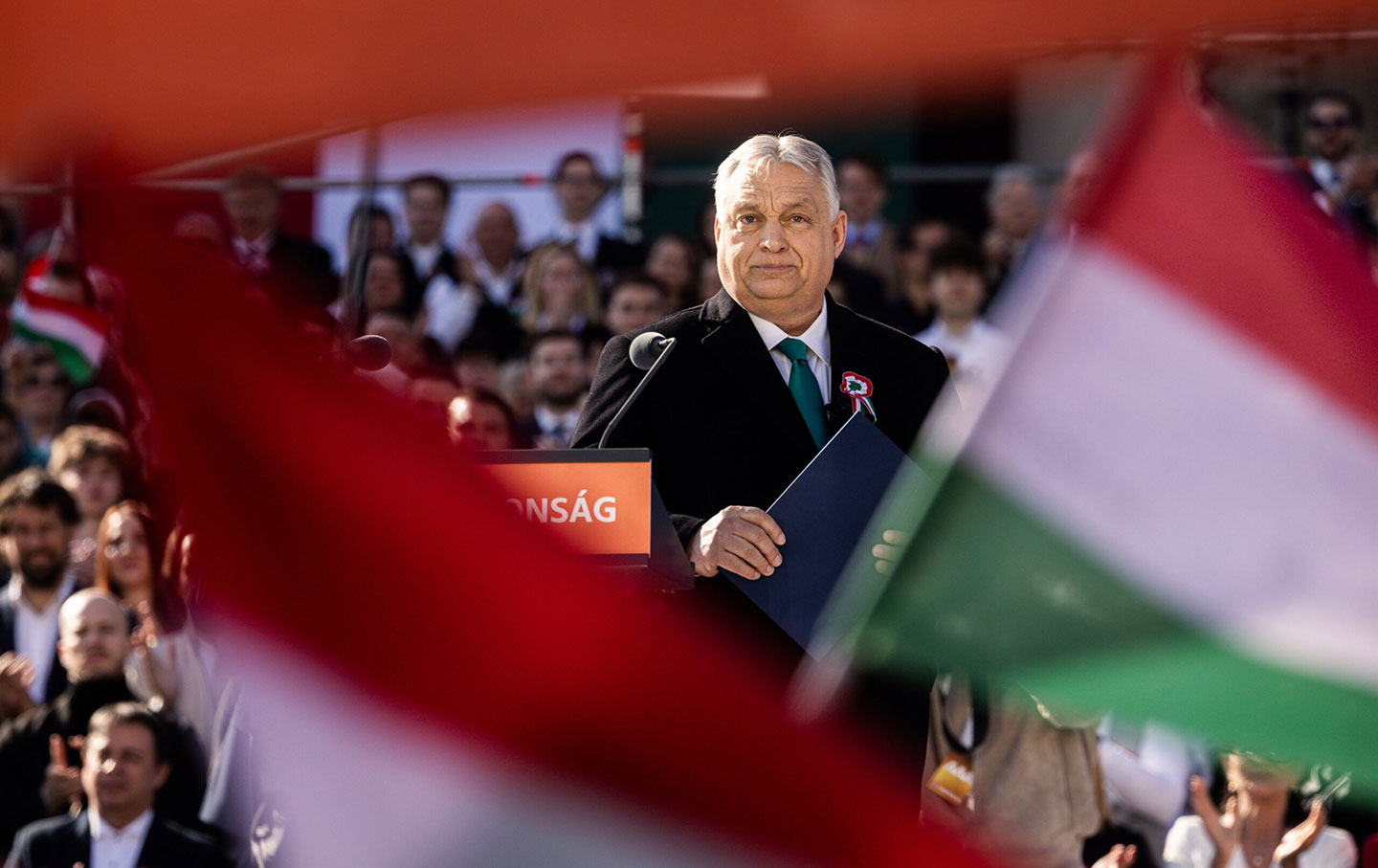
"Orbán's brand of state interventionism has not uplifted workers' position through labor rights or a stronger safety-net, but counted on deals with multinational capital to employ Hungarian workers."
"In the decade after Orbán returned to power in 2010, Hungary's working population expanded by around 20 percent, with significant contributions from German auto giants and a construction boom."
"Orbán has himself claimed that his hopes of re-election on April 12 depend on workers turning out to vote, highlighting the importance of the working class in his political strategy."
Viktor Orbán emphasizes a work-based society as essential for Hungary's future, aligning with right-wing politics and pro-worker conservatism. His approach relies on state intervention and partnerships with multinational companies, which have increased employment rates. However, challenges arise from geopolitical conflicts, potentially affecting voter turnout among the working class. Despite significant job growth since 2010, the sustainability of Orbán's economic model is questioned, especially as he seeks re-election and relies on worker support.
Read at The Nation
Unable to calculate read time
Collection
[
|
...
]