"More than two months ago, the European Commission floated a plan to provide a loan to Kyiv secured against some of the 210bn of Russian central bank assets frozen in Europe, most of which are held at the Euroclear clearing house in Belgium. The idea was for the EU to borrow from Euroclear in order to lend to Ukraine. Russia would remain the legal owner of the assets, and Kyiv would repay the loan using Russian reparations after the war,"
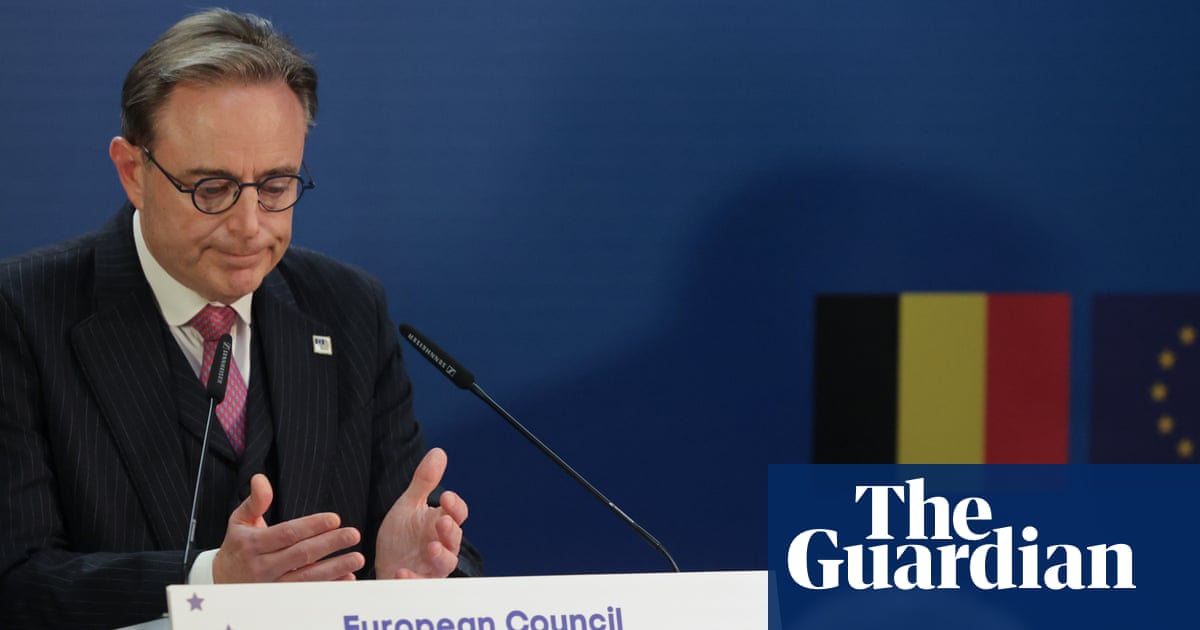
"There was an obstacle, however. The Belgian prime minister, Bart de Wever, argued that Moscow, which saw the plan as theft, would retaliate, and that courts in Russia-friendly jurisdictions, such as China, could order Belgian assets to be seized. Frozen assets graphic For weeks, De Wever held out, resisting heavy pressure in particular from the commission chief, Ursula von der Leyen, and her compatriot Friedrich Merz, the German chancellor, for whom the reparations loan was Plan A, with no Plan B."
The EU could not agree to a reparations loan secured on about €210bn of frozen Russian central bank assets held mostly at Euroclear. The Commission’s plan would have had the EU borrow from Euroclear, lend to Kyiv, keep Russia as legal owner of the assets and have Ukraine later repay from Russian reparations while the EU reimbursed Euroclear. Belgian prime minister Bart de Wever warned of Russian retaliation and possible seizures in Russia-friendly courts, leading to sustained resistance despite pressure from key EU leaders. After prolonged talks, leaders approved a €90bn loan via an alternative joint-borrowing arrangement.
Read at www.theguardian.com
Unable to calculate read time
Collection
[
|
...
]