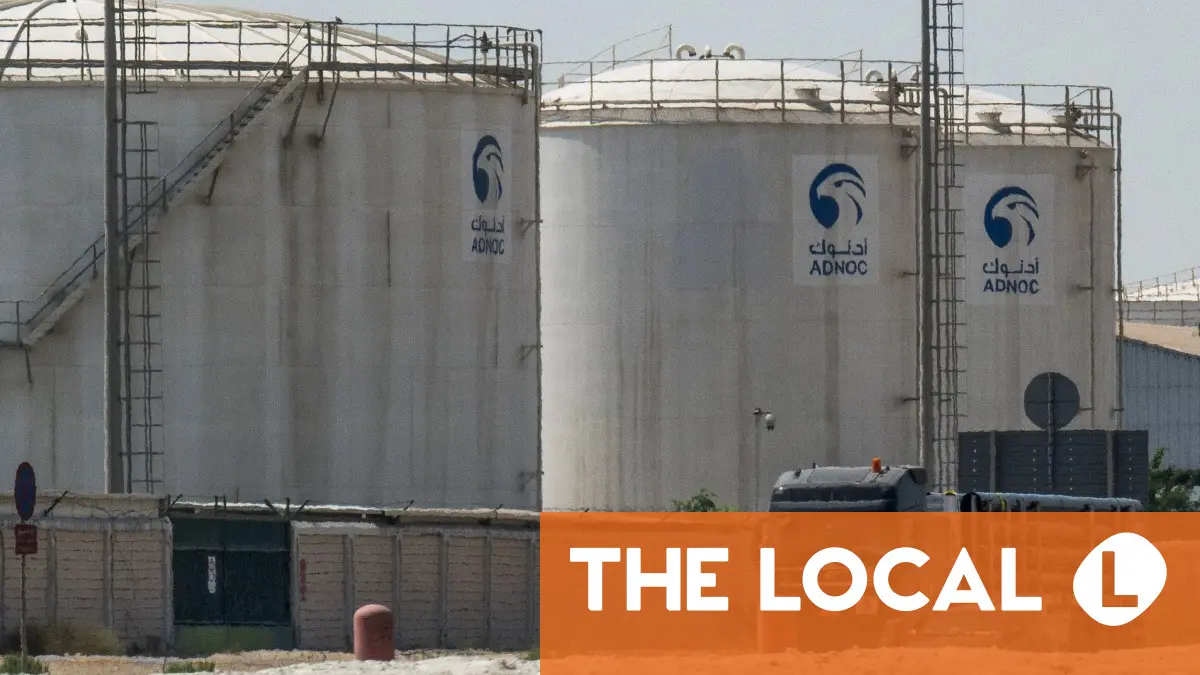
"A jump in energy prices puts upward pressure on inflation, especially in the near term. The conflict would also be negative for economic activity. A 2023 ECB analysis had indicated there would be a substantial spike in energy-driven inflation and a sharp drop in output if a conflict led to a persistent drop in energy supplies and disruptions in regional economic activity."
"The scale of the impact and the implications for medium-term inflation depend on the breadth and duration of the conflict. Berenberg bank chief Holger Schmieding has predicted a persistent rise in the oil price by $15 per barrel could push up eurozone consumer prices by almost 0.5 percentage points. Research group Capital Economics said a sustained energy price increase could add around 0.3 percentage points to inflation."
The US-Israel-Iran conflict has disrupted Middle East energy exports to Europe, with the Strait of Hormuz effectively closed and Qatar halting liquefied natural gas production. The European Central Bank warns that prolonged conflict and sustained energy supply reductions could trigger significant eurozone inflation spikes and economic contraction. Energy price increases directly pressure inflation, particularly in the near term. A 2023 ECB analysis projected substantial energy-driven inflation and sharp output drops if conflict persisted. Oil and gas prices have already jumped sharply since the conflict began. Economic experts predict a $15 per barrel oil price increase could raise eurozone consumer prices by 0.5 percentage points, while sustained energy price increases could add approximately 0.3 percentage points to inflation.
#middle-east-conflict #energy-supply-disruption #eurozone-inflation #oil-and-gas-prices #economic-impact
Read at www.thelocal.com
Unable to calculate read time
Collection
[
|
...
]