"Along rivers and farmland in Zambia's Copperbelt, communities are living with the environmental and social consequences of renewed mining activity. Global demand for copper used in electric vehicles and renewable energy technologies has seen business surge in Zambian mining towns like Kitwe, Luanshya, Mufulira and Chingola. Concerns over pollution and environmental oversight intensified after an acid spill in February 2025 at the Chinese-owned Sino-Metals Leach Zambia operation contaminated a nearby river which forms part of the Kafue River watershed."
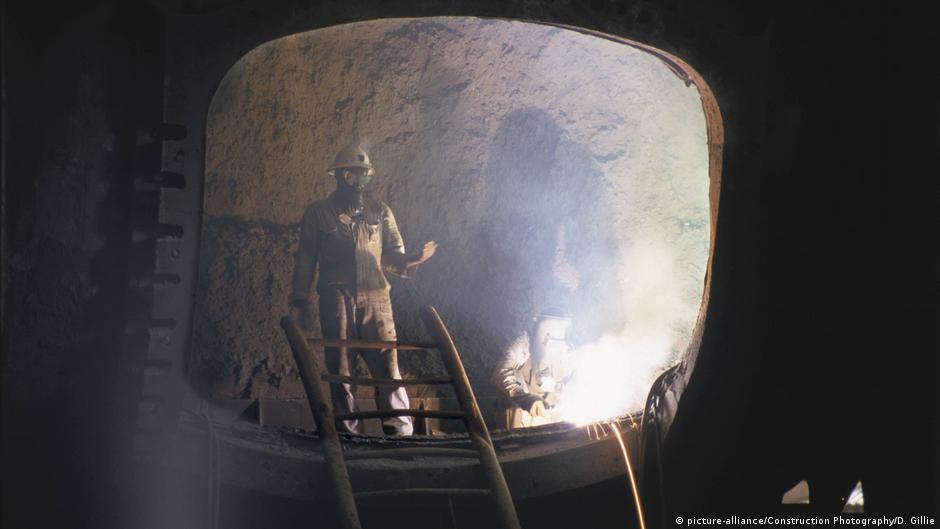
"The Kafue River is vital in supplying water for Zambians in four of the country's 10 provinces. Aside from destroying crops and killing fish, the incident renewed fears about water safety, health risks, and long-term ecological damage that the mining industry brings. "After that major acid spill, toxins went into the river," local resident Lloyd Mwakwa tells DW. The Luanshya Mine, about 30 kilometers from Ndola, has scene more activity as the demand for copper risesImage: Kathy Short/DW"
""Those are serious toxins, and they will affect us in the long run," he adds. For many residents, the incident reinforced long-standing anxieties about whether mining expansion can coexist with community well-being. Contamination unchecked Environmental activists say pollution, heavy metal exposure, and land displacement continue to affect mining areas, which neighbor farmland or villages. "Rising health issues linked to pollution threaten public health," says community project officer Andrew Chanda Chimfwembe at the Catholic Archdiocese in Ndola, working with local communities."
Renewed copper mining across Zambia's Copperbelt has increased activity in towns such as Kitwe, Luanshya, Mufulira and Chingola, bringing intensified environmental and social impacts. A February 2025 acid spill at the Chinese-owned Sino-Metals Leach Zambia operation contaminated a nearby river within the Kafue watershed, destroying crops, killing fish and raising concerns about water safety, health risks and long-term ecological damage. The Kafue River supplies water to Zambians in four provinces, heightening the stakes for contamination. Activists and community leaders report pollution, heavy metal exposure, land displacement, weakened social cohesion and widening inequality when local populations do not share mining benefits.
Read at www.dw.com
Unable to calculate read time
Collection
[
|
...
]