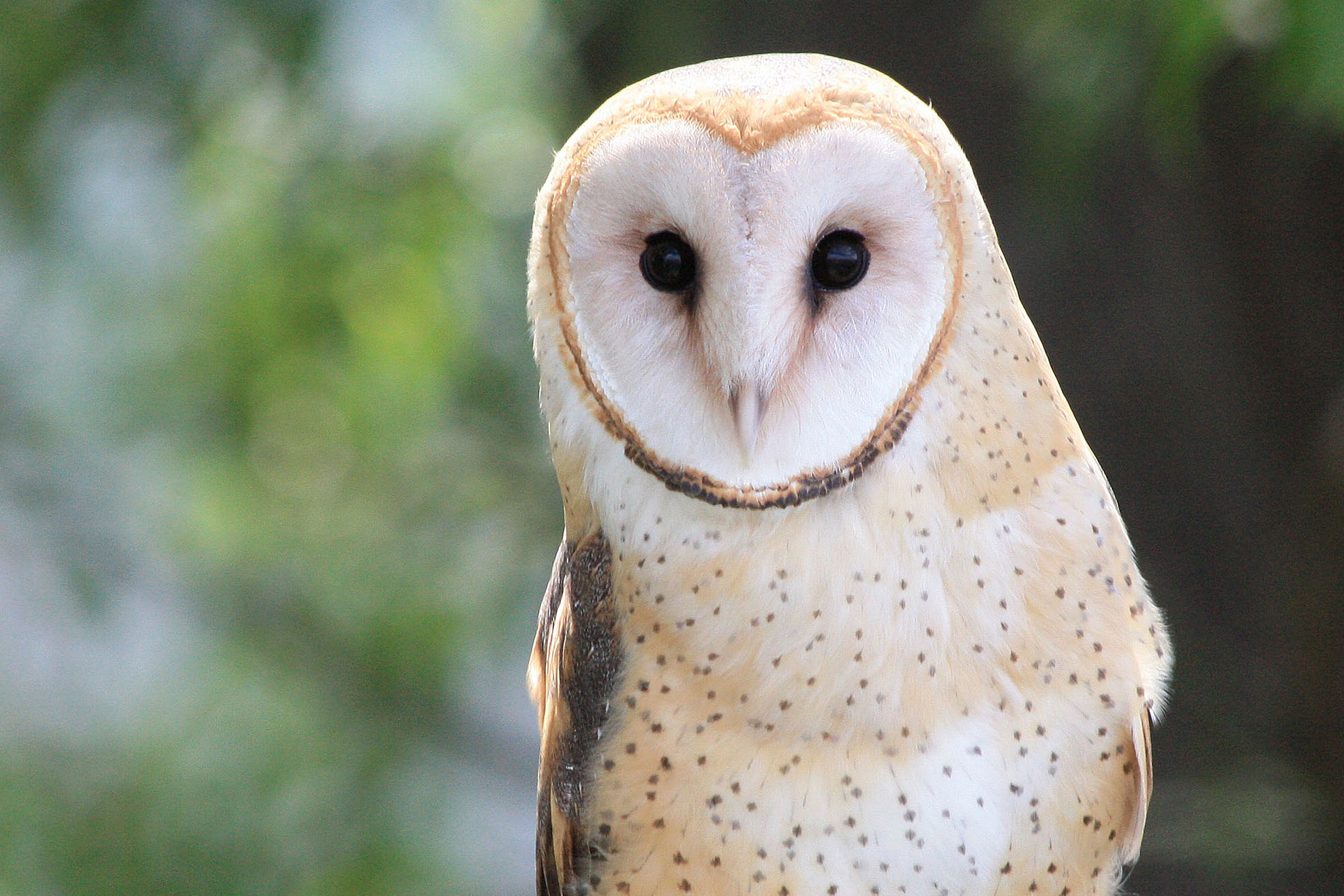
"Oregon's federally required State Wildlife Action Plan identifies species at risk of extinction or decline due to habitat loss, climate change and other threats. In 2025, as the plan was being updated, dozens of species were added, including the Crater Lake newt, the California condor and the North American porcupine, bringing the total to more than 300. "It's a blueprint of the most imperiled species and habitats in the state," said Sristi Kamal, deputy director of the Western Environmental Law Clinic, which supports the bill."
"Though Oregon's Fish and Wildlife Department receives some state funding, most of its budget comes from state hunting and fishing licenses and federal taxes on guns and ammunition via the Pittman-Robertson Act of 1937. The majority of Oregon's federal funds, about $20 million annually, are earmarked for big game species and sport fish. Other federal grants primarily support species already protected by the Endangered Species Act."
The 1% for Wildlife bill would increase Oregon hotel and lodging taxes by 1.25% to create a new revenue stream for the Oregon Department of Fish and Wildlife, potentially providing nearly $30 million annually for habitat conservation. Current department revenue relies heavily on hunting and fishing licenses and federal excise taxes on guns and ammunition, with about $20 million annually earmarked for big game and sport fish. Federal grants mainly support already listed species, leaving prevention underfunded; between 2023 and 2025 the department spent just 2% of its budget on wildlife conservation programs. The bill passed the House previously but was blocked in the Senate.
Read at High Country News
Unable to calculate read time
Collection
[
|
...
]