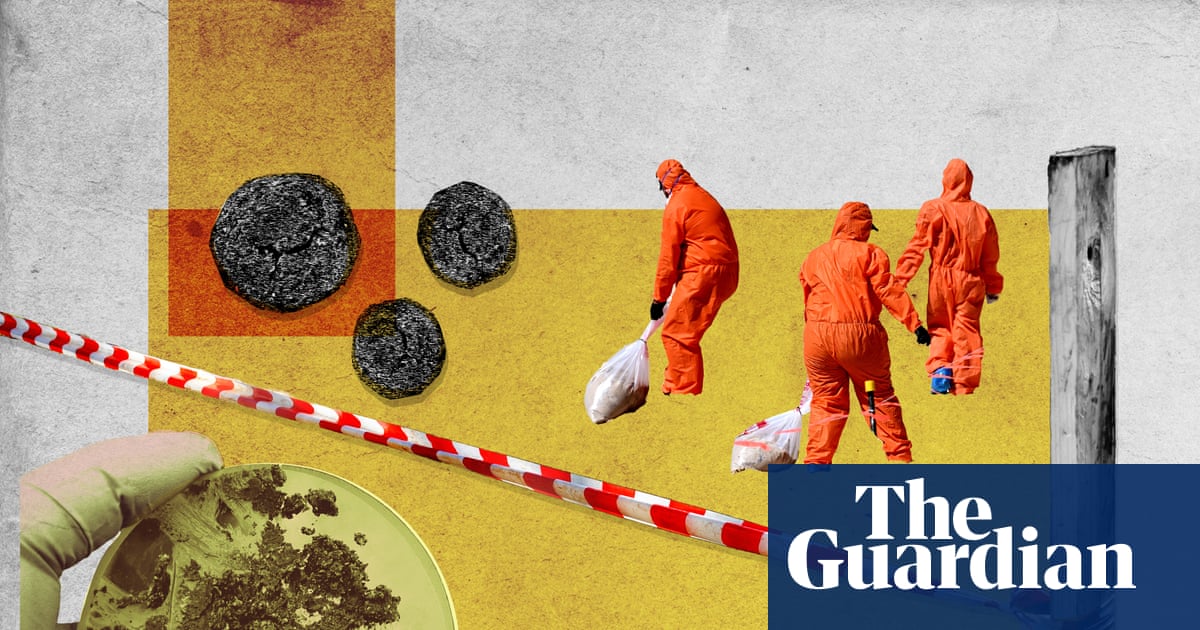
"Sydney is one of the few cities in the world that deals with its sewage through what is known as fast primary treatment, a process that involves removing solids before it is pumped 2-4km out to sea via the three deepwater ocean outfalls (DOOFs) at Malabar, Bondi and North Head. The eastern Australian current then dilutes the sewage and, generally, carries it south."
"The primary treatment used at Sydney's sewage plants is a purely physical process. You have a very large tank, and the raw sewage comes in at one end and flows through, Khan, who chairs the New South Wales government's independent water advisory panel, says. When sewage is flowing quite slowly and gently, some of the solid material that's suspended in it will start to sink to the bottom of the tank, just under gravity."
Early twentieth-century thinking accepted the solution to pollution was dilution. Sydney applies fast primary treatment to about 1.5 billion litres of sewage daily, removing solids and pumping effluent 2–4 km offshore through deepwater ocean outfalls at Malabar, Bondi and North Head. The eastern Australian current dilutes discharged effluent and generally carries it south. A large fatberg of fats, oils and grease formed inside the Malabar plant and likely produced debris balls that washed up on beaches in late 2024 and 2025; it sits in an inaccessible dead zone and cannot be cleared. Sludge scraped from tanks receives further treatment and is used in soil remediation. Secondary treatment used elsewhere involves biological processes to break down organic matter.
Read at www.theguardian.com
Unable to calculate read time
Collection
[
|
...
]