"In the environmental nonprofit sector, "centering frontline voices" has become a familiar slogan, often detached from how decisions are made or resources allocated. It appears in grant proposals, conference agendas, and organizational values statements. And yet, too often, those voices are still positioned as illustrative rather than authoritative-invited to animate strategies already decided, asked to translate lived experience into language legible to funders, or flattened into narratives that travel more easily than the truths they carry."
"From the onset, our collaboration during Climate Week was shaped by a mutual understanding that story-based spaces only work when partners are willing to examine how power moves through the stories they support, and to practice deep listening as a form of accountability. At Climate Week in particular, as a space defined by polished talking points, corporate pledges, and institutional jargon, we wanted to interrupt that dynamic."
"This pattern at climate conferences is rarely the result of ill intent. It is a function of how power moves through institutions: who controls space, who sets context, and who decides what counts as expertise. In climate and environmental justice work especially, frontline stories are frequently treated as communications tools rather than as sources of analysis, strategy, and accountability. Narrative becomes something added at the end, not infrastructure built from the ground up."
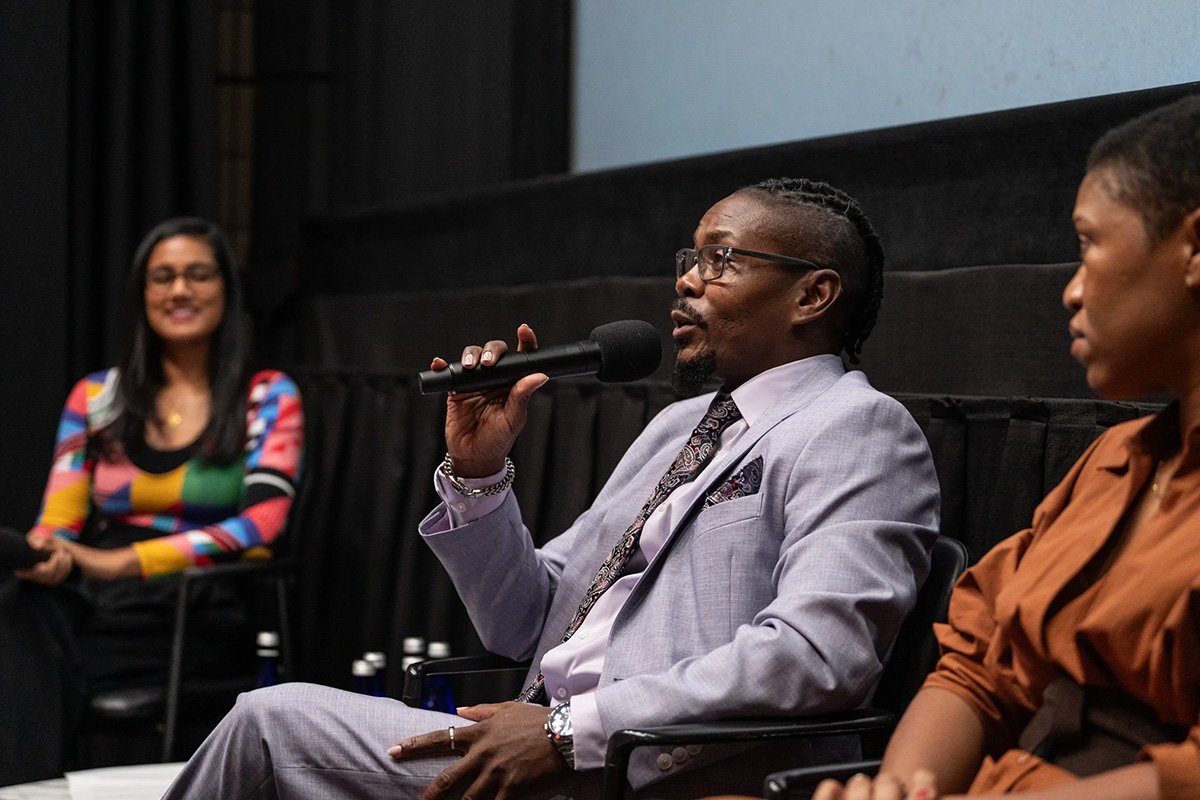
Frontline voices are frequently invoked as a slogan but rarely integrated into decision-making or resource allocation. Those voices are often positioned as illustrative rather than authoritative, asked to translate lived experience into language legible to funders or flattened into portable narratives. In climate and environmental justice work, frontline stories are treated as communications tools instead of sources of analysis, strategy, and accountability. The Story Salon "Reframing Resistance" was produced through a partnership between Counterstream Media and the Frontline Resources Institute (FRI) at Environmental Defense Fund, grounded in narrative as strategy. The collaboration prioritized examining power within stories and practicing deep listening to interrupt conference dynamics dominated by corporate talking points.
Read at Nonprofit Quarterly | Civic News. Empowering Nonprofits. Advancing Justice.
Unable to calculate read time
Collection
[
|
...
]