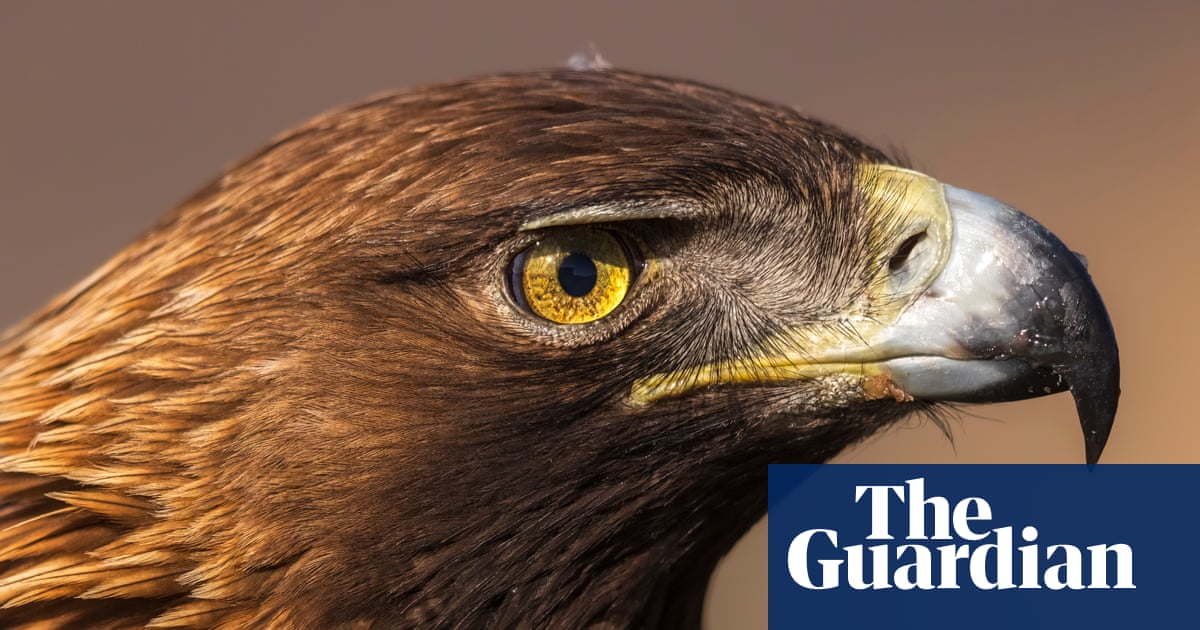
"Many people look up to admire the silhouette of raptors, some of the planet's largest birds, soaring through seemingly empty skies. But increasingly, research shows us that this fascination runs both ways. From high above, these birds are watching us too. Thanks to the development of tiny GPS tracking devices attached to their bodies, researchers are getting millions of data points on the day-to-day lives of these apex predators of the skies, giving us greater insight into where they hunt and rest."
"We thought before that eagles would just ignore people in the forest, says Dr Pascual Lopez-Lopez from the University of Valencia, but GPS tracking reveals the opposite. Birds will abandon breeding if there is too much human disturbance, and it makes it difficult for them to hunt prey (as prey species are often scared too) so they have to travel further to find food."
Tiny GPS trackers attached to raptors generate millions of data points that map daily movements, hunting areas, rest sites, and causes of death. The data reveals a weekend and public-holiday effect: eagles expand their ranges on holidays and travel farther to find food when human visitation to beaches and forests increases. Human disturbance can force birds to abandon breeding and make hunting harder because prey species are also disturbed. Better regulation of human access in protected areas during breeding seasons is recommended rather than outright bans. GPS tracks also show sudden stops that indicate killings, and an alarming pattern of human-linked deaths among Bonelli's eagles in Valencia emerged from 2015.
Read at www.theguardian.com
Unable to calculate read time
Collection
[
|
...
]