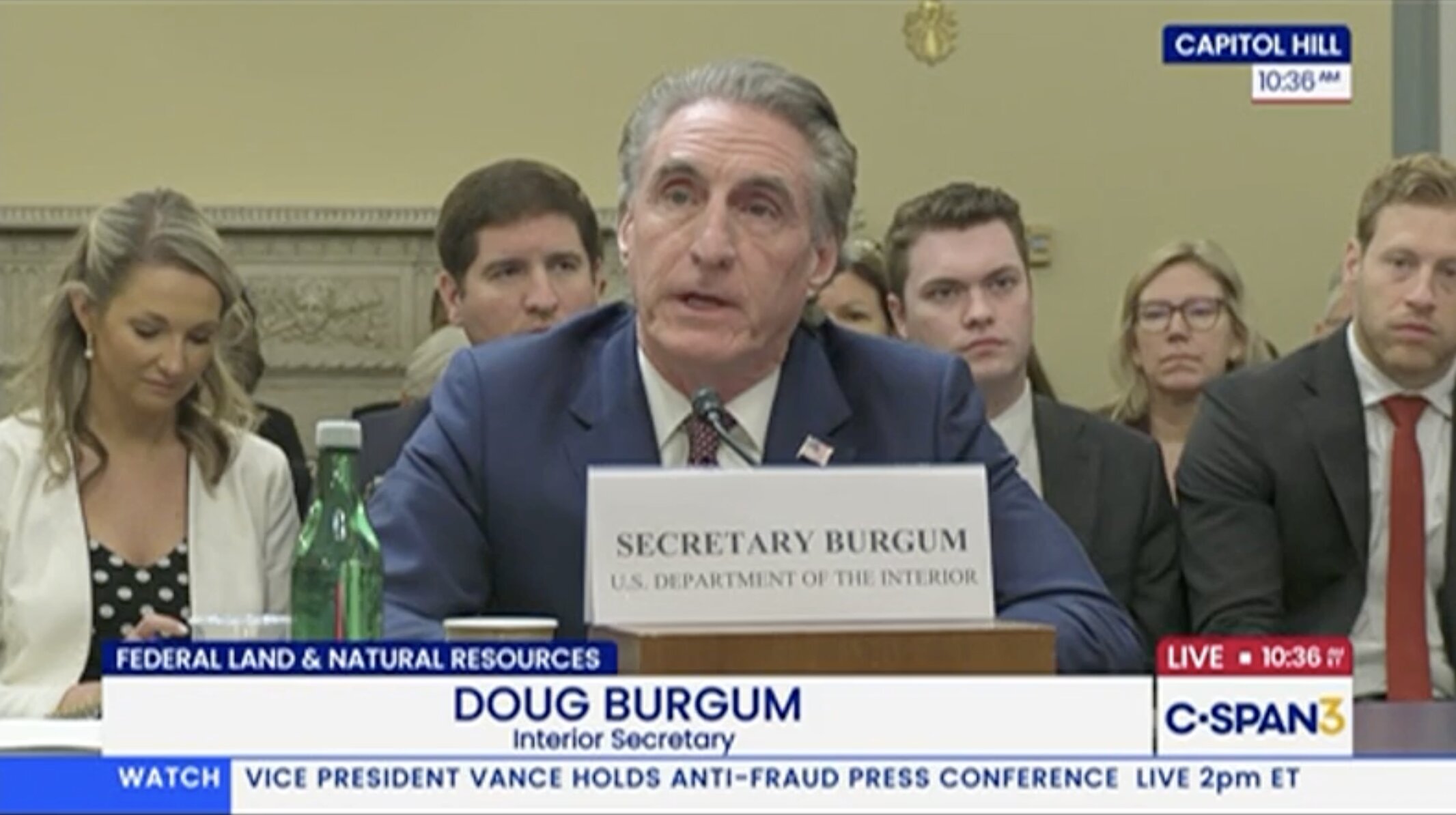
"The Lazard analysis that suggests that this is the cheapest form of energy, all of these projects you're describing in Nevada have one thing in common: when the sun goes down, they produce zero electricity. And this nation over rotated towards intermittent forms of energy, and the idea that we could add intermittent and shut down base load is what put our grid at deep risk."
"And the idea that it's the cheapest if you want to add intermittent, you have to keep everything else. And so, we have to have a discussion about the total cost of grid, not the cost of the incremental, because it's true on an incremental basis, you may have an incremental source, but it doesn't work. The whole machine doesn't work when the sun goes down, and there's examples from around the world of this happening."
"Rep. Jared Huffman (D-CA) interjected with an unusual request. Chairman, I request unanimous consent to enter into the record this amazing new technology that apparently the secretary's unaware of: it's a battery. Huffman said. China's figured it out. That's why they're cleaning our clock on clean energy, but I want to enter that into the record."
Solar energy generates no electricity when the sun goes down. Interior Secretary Doug Burgum argued that the grid has shifted toward intermittent energy sources and that adding intermittent power while shutting down base load puts the grid at deep risk. He said Lazard analysis may label solar as the cheapest energy, but the incremental cost view is misleading because the overall system fails when solar output stops. He cited examples worldwide where this problem occurs. During the hearing, lawmakers emphasized solar’s widespread use and pressed for continued development. Rep. Jared Huffman requested adding battery technology to the record, noting China’s progress in clean energy.
Read at www.mediaite.com
Unable to calculate read time
Collection
[
|
...
]