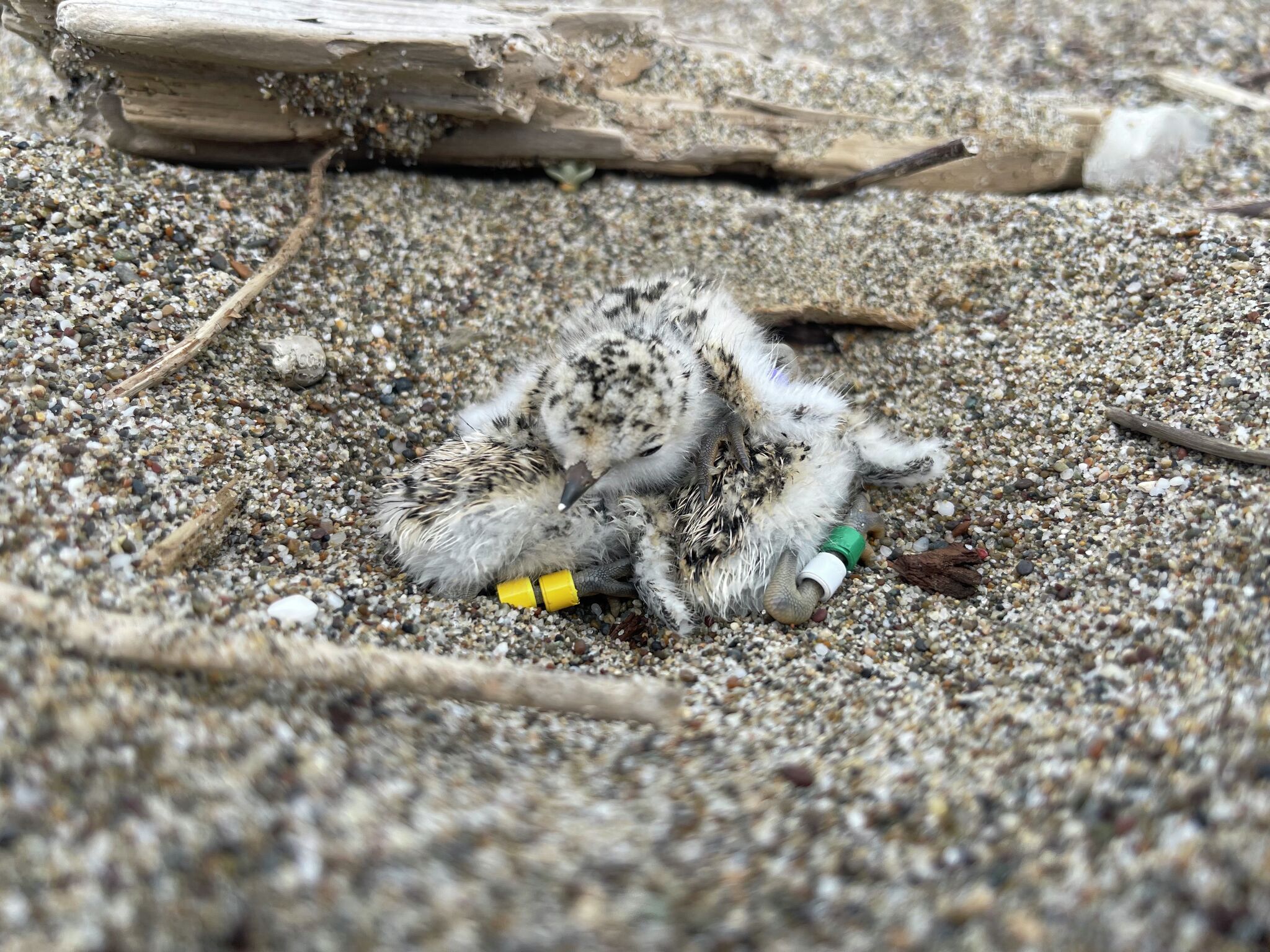
Western snowy plovers are protected under the Endangered Species Act, and their nests face threats from storms, wind, dogs, ravens, and beachgoers. A monitoring team at Point Reyes National Seashore found three eggs in one nest on March 16, the earliest breeding season start recorded in the area. A record-shattering March heat wave likely triggered earlier nesting. Normally, the first nests appear in April, so the earlier start may provide additional opportunities to nest. Females can lay up to three nests, sometimes up to five, depending on whether earlier nests hatch successfully. Recovery efforts include protecting nests with cages, fencing nesting areas, and restoring habitat, alongside seasonal beach closures to reduce disturbance.
"In 1993, the U.S. Fish and Wildlife Service listed the western snowy plovers that breed along the coast from Washington to Baja California as threatened due to wild predators, people and habitat loss. Two years later, Point Reyes National Seashore, Point Blue Conservation Science and Point Reyes National Seashore Association formed a recovery effort. This has included protecting nests with cages, fencing off nesting areas on beaches and undertaking habitat restoration."
#western-snowy-plovers #endangered-species-act #point-reyes-national-seashore #climate-and-heat-waves #wildlife-conservation
Read at SFGATE
Unable to calculate read time
Collection
[
|
...
]