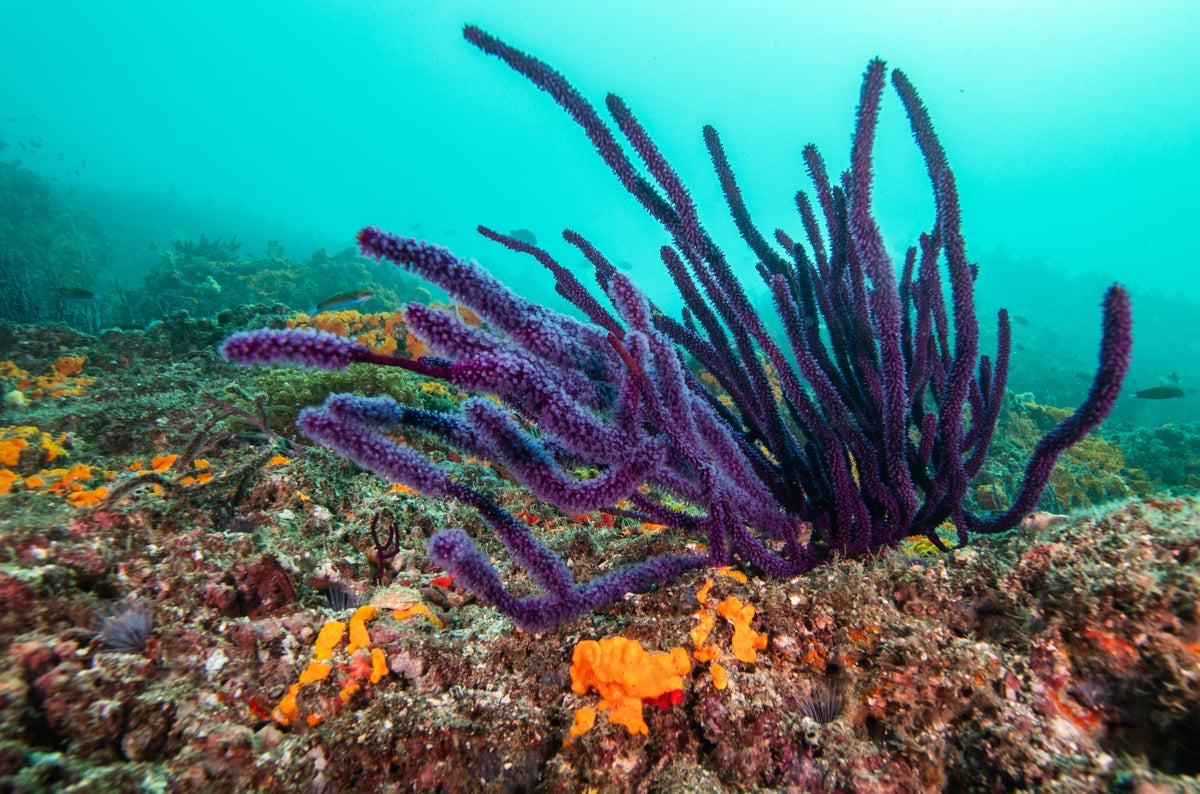
"“Sandwiched between Iran and the Arabian Peninsula, the Gulf is geologically young; the shallowest areas have been under water for only around 6,000 years and the body of water overall is only a result of glaciers melting at the end of the last ice age.”"
Mines, oil spills, and missile impacts near Iran’s nuclear power plant have increased environmental risk in the Persian Gulf and the Strait of Hormuz. Scientists warn that Gulf ecosystems were already under pressure before the current conflict, and further disruption could push marine life beyond recovery. The Gulf’s ecosystems are shaped by young geology and geography, with shallow areas submerged for only about 6,000 years and the wider water body formed after the last ice age. Marine life is relatively new, and corals have not had time to build extensive reefs. Despite extreme temperatures and high salinity, the Gulf supports abundant life, including examples of evolution and potential genetic traits for surviving climate change.
#persian-gulf #marine-ecosystems #environmental-impacts-of-conflict #oil-pollution #climate-change-resilience
Read at www.scientificamerican.com
Unable to calculate read time
Collection
[
|
...
]