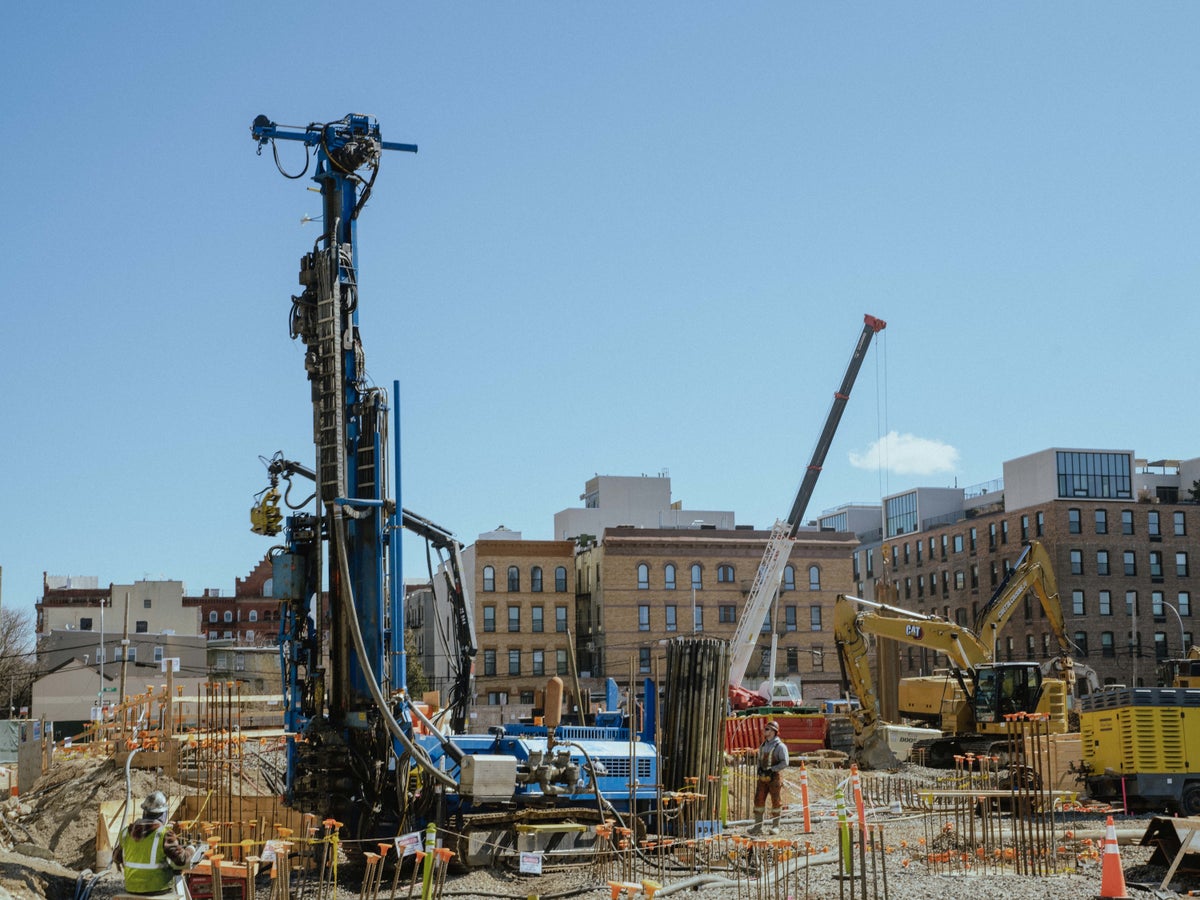
"On a stretch of Brooklyn's waterfront, the 34-story Riverie looks like any other high-rise in New York City's crowded skyline. But beneath its foundation, an invisible network of boreholes extends hundreds of feet into the ground to tap Earth's natural reservoir of warmth. Instead of burning fossil fuels, the Riverie relies on geothermal energy; it uses the steady temperature underground to warm apartments in winter and cool them in summer."
"The building is part of a small but growing wave of urban geothermal projects revamping how heating and cooling work in dense cities. There are 320 boreholes underneath the Riverie's building site, and developer Lendlease says this makes it the largest geothermal residential building in New York State and the largest high-rise geoexchange system in the country. People started moving into the building last month. Unlike deep geothermal power plants that tap hot rock miles below Earth's surface to generate electricity, urban systems rely on comparatively shallow energy exchanges. They use ground-source heat pumps, which leverage the stable temperatures just tens or hundreds of feet underground."
The Riverie is a 34-story, 834-unit Brooklyn waterfront residential tower built atop 320 geothermal boreholes that provide gas-free heating and cooling. Developer Lendlease says the system makes the building the largest geothermal residential building in New York State and the largest high-rise geoexchange system in the United States. The building uses ground-source heat pumps to leverage stable temperatures tens to hundreds of feet underground. The shallow subsurface acts as a thermal sponge, absorbing urban heat and supplying steady temperature for seasonal heating and cooling. Residents began moving in last month, and the project is part of a growing wave of urban geothermal deployments aimed at decarbonizing buildings.
Read at www.scientificamerican.com
Unable to calculate read time
Collection
[
|
...
]