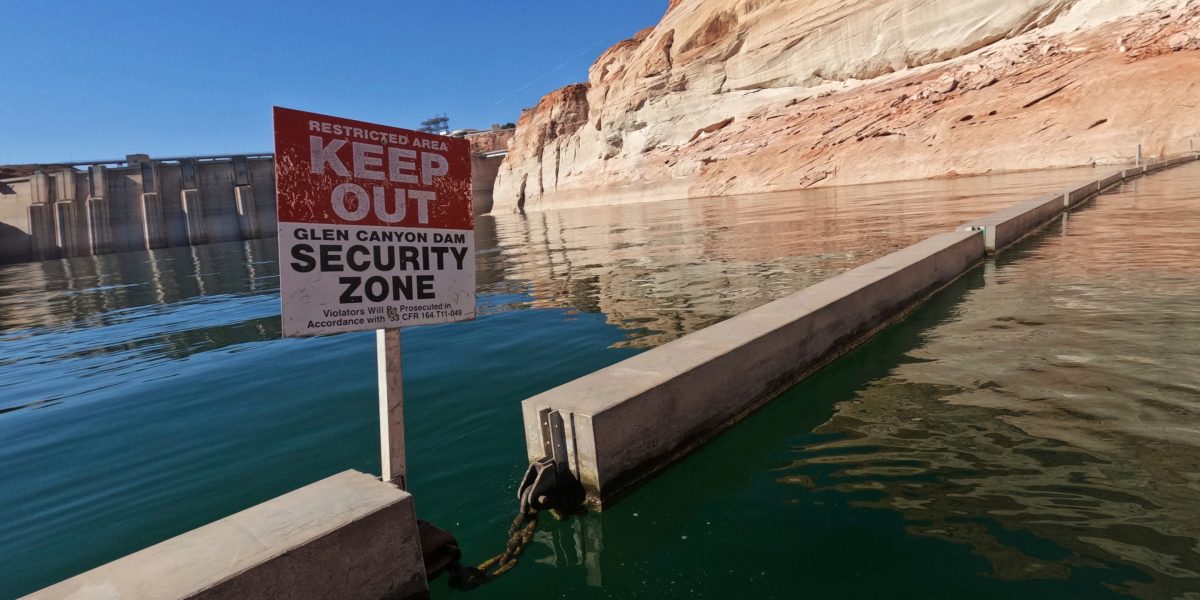
The Colorado River and its reservoirs are shrinking due to overuse and climate change, forcing decisions that balance conservation and electricity costs. Glen Canyon Dam in northern Arizona could release cold water from deep in its reservoir through a “cool mix flow” to protect the threatened humpback chub from predators. The dam’s deep cold-water zone lacks hydropower turbines, so releasing that water would reduce power generation. The proposal follows the worst snowpack on record for the basin and ongoing failure to reach a long-term sharing agreement beyond the current year. Utilities expect higher costs from lost hydropower and the need to buy alternative energy, while supporters warn warm downstream water would enable non-native predatory fish to spawn and harm a major trout fishery. The Bureau of Reclamation is weighing ecological health and hydropower production and is expected to decide soon.
"To fight off predators of the humpback chub, a threatened fish native to the river, Glen Canyon Dam in northern Arizona would need to do what is known as a "cool mix flow," where cold water is released from deep in its reservoir to cool the river below. But there are no hydropower turbines in the cool, deep section, so significant power generation would be lost."
"Utilities that buy this hydropower say the cool water releases would be costly because they would have to spend millions to buy alternative energy and would increase financial hardship for customers. But supporters say that without cool releases, the warm waters projected downstream this summer would allow non-native predatory fish to spawn, further threatening the humpback chub, and would destroy a world-famous trout fishery nearby."
"The proposal comes after the worst snowpack on record for the Colorado River Basin, relied upon by farmers, industries, wildlife and more than 40 million people in seven U.S. states, tribal nations and Mexico. It also comes as those states fail to reach a long-term agreement on how to share the river's dwindling resources beyond this year, when the guidelines expire."
"The Bureau of Reclamation, which is expected to announce a decision in the next couple of weeks, said in a statement that it is weighing several factors including the ecological health of the river and the hydropower production of the dam. The Interior Department, which oversees the bureau, declined to comment."
Read at Fortune
Unable to calculate read time
Collection
[
|
...
]