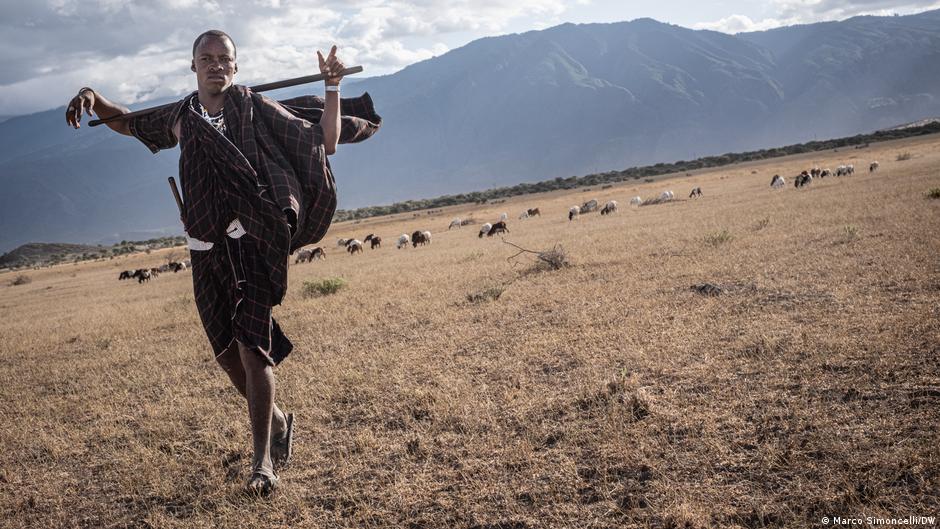
"Established in 2007, the Enduimet WMA lies adjacent to Kilimanjaro National Park and the Kenyan border. It involves 11 Maasai villages in a community-based system that has long been presented as a model of conservation in Tanzania. Under its rules, around 2533% of revenue from tourism and hunting goes directly to village members through an elected representative body, in contrast to the 3% allocated in game reserves."
"Between 2023 and 2024, the burned remains of five "super tuskers" a critically rare elephant population, with fewer than 30 individuals left were found in the area. According to a source who asked to remain anonymous, the animals were killed during trophy hunts authorized by the Tanzania Wildlife Management Authority (TAWA). "We knew that five licenses had been issued for the Enduimet area," the source says."
Enduimet Wildlife Management Area lies adjacent to Kilimanjaro National Park and the Kenyan border and involves 11 Maasai villages in a community-based conservation system. The WMA allocates a substantially larger share of tourism and hunting revenue directly to village members than game reserves. Between 2023 and 2024, burned remains of five 'super tuskers', a critically rare elephant population with fewer than 30 individuals, were found. A source alleges the animals were killed during trophy hunts authorized by the Tanzania Wildlife Management Authority (TAWA) and that bodies were burned to prevent identification. TAWA did not respond to requests for comment. Kilimbero North Safaris obtained permits and organized safaris that killed at least two of the elephants.
Read at www.dw.com
Unable to calculate read time
Collection
[
|
...
]