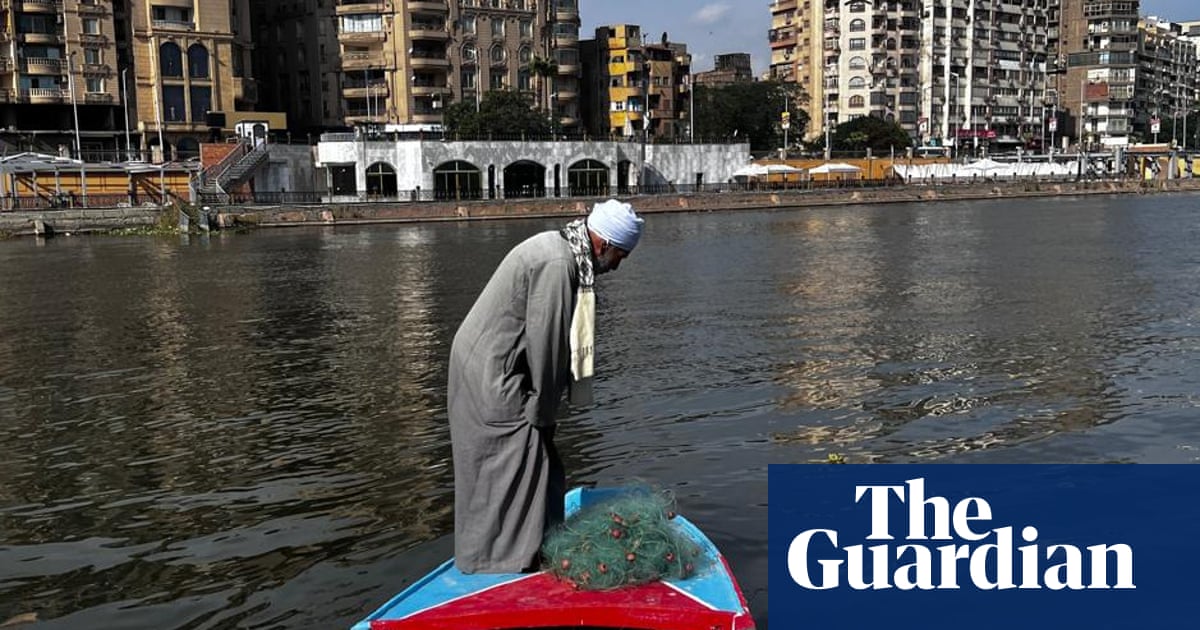
Mohammed Ahmed Sayed Mohammed and approximately 180 fishers on al-Qarsaya island in Cairo have transitioned from traditional fishing to collecting plastic waste from the Nile River. Fish populations have dramatically declined due to plastic pollution, reducing daily catches from 25kg to 4-5kg. VeryNile, a social enterprise launched in 2018, pays fishers above-market rates for collected plastic, offering economic stability as fishing becomes unviable. Plastic collection generates significantly higher income than fishing, with rates increasing from eight pounds per kilogram in 2018 to 33 pounds currently. This economic shift has enabled fishers to support their families and invest in alternative livelihoods on the island.
"Fifteen years ago, he searched for fish. Now he hunts plastic bottles. The fish fled from the plastic chokehold, said Sayed, who has lived on the Giza island since arriving from Assiut, further south on the Nile, as a 14-year-old fishing apprentice. Declining fish populations, caused by plastic pollution in the river, have forced approximately 180 fishers on al-Qarsaya to pivot from traditional fishing to waste collection."
"Winter fishing once yielded Sayed 25kg of fish daily. Today, he catches 4-5kg, which he can sell at 70 Egyptian pounds (1.10) a kilogram. Plastic collection generates higher income: plastic sells for 33 pounds (0.52) a kilogram, up from eight pounds (0.13) in 2018 when the Very Nile initiative began."
"VeryNile, launched in 2018 by the Egyptian social enterprise Bassita, has aims to clean up the river by paying fishers above-market rates for collected plastic waste. The initiative buys plastic at prices significantly higher than a standard recycling plant would pay, providing an economic alternative as fish populations decline due to pollution."
#nile-river-pollution #plastic-waste-collection #economic-transition #social-enterprise #environmental-impact
Read at www.theguardian.com
Unable to calculate read time
Collection
[
|
...
]