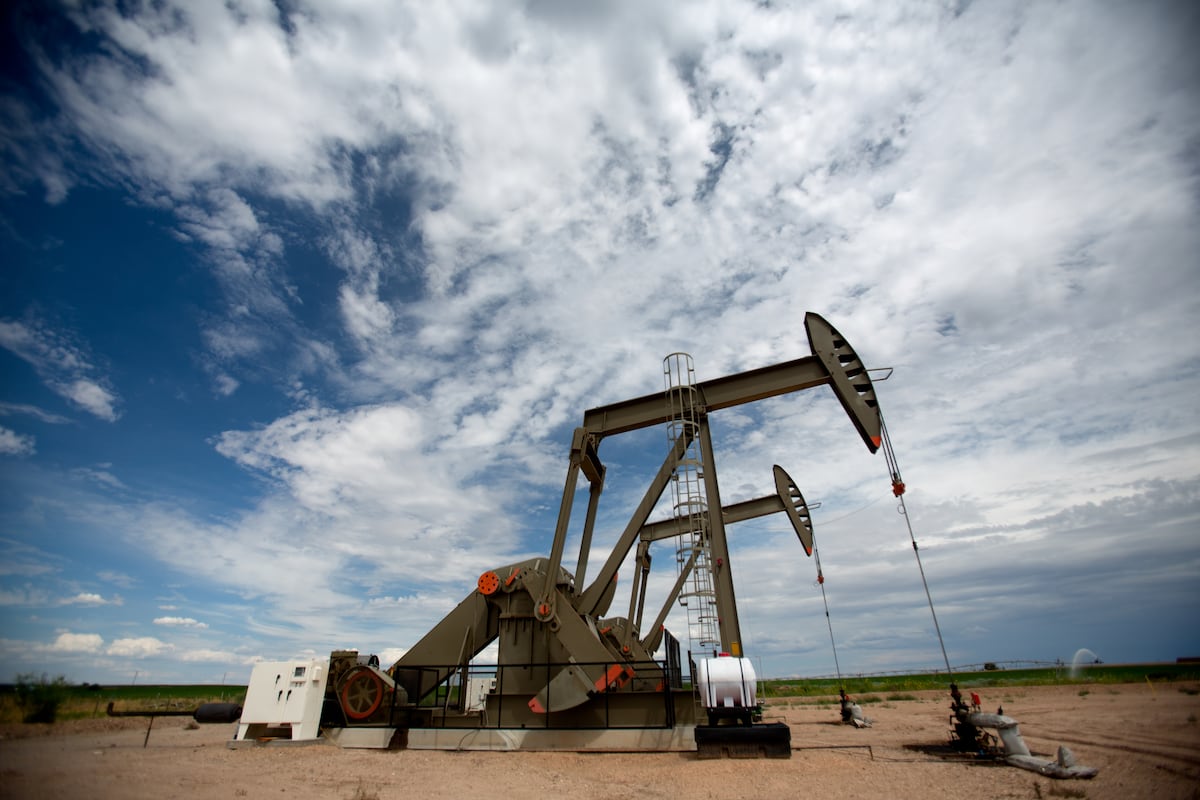
"The government of Claudia Sheinbaum has decided to make a radical shift and change the course of Mexico's energy policy in favor of fracking, or hydraulic fracturing, a technique that was banned for six years by her predecessor, Andres Manuel Lopez Obrador. This paradigm shift based on the idea that Mexico should stop depending on naturalgas imports from the United States has sparked debate both within and outside of Morena, the ruling party."
"Northern Mexico has enough natural gas, in both tight and permeable rock formations, to meet the country's needs and have surpluses for export. All that's needed is for the authorities to authorize the projects to extract it. If we don't do it now [fracking], we're going to leave the gas underground. Right now, we have an impressive amount of gas. Millions of dollars could be earned if we used and utilized this technology,"
Claudia Sheinbaum's government reversed a six-year ban and shifted Mexico's energy policy to favor hydraulic fracturing to reduce dependence on U.S. natural gas. The change broke an internal taboo within Morena and triggered wider debate over energy self-sufficiency versus environmental and community impacts. Proponents point to long-established use of fracking since the 1960s, significant northern Mexico gas reserves capable of meeting domestic demand and exporting surpluses, and U.S. production gains attributed to the technique. Opponents warn of water use, environmental harm, and community damage, questioning whether the economic benefits justify the risks.
Read at english.elpais.com
Unable to calculate read time
Collection
[
|
...
]